Ford Capri Values 2026: What You’ll Actually Pay (And What You’ll Get)
Honest Ford Capri values for 2026 from a classic Ford restoration specialist. Project, usable and concours prices for every model, plus what drives a Capri's worth up.
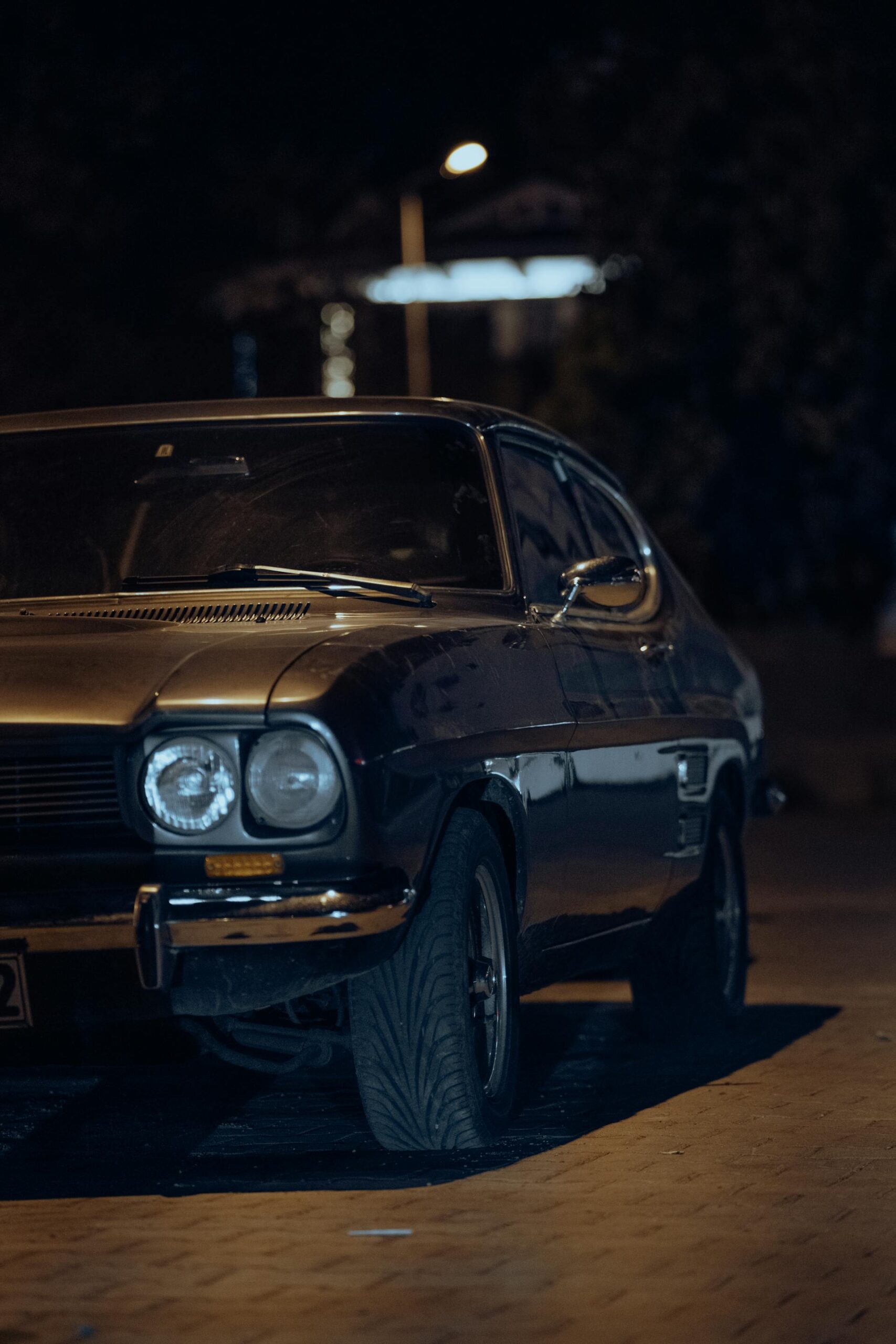
Capri values have been one of the more interesting stories in the UK classic car market for the last few years. They climbed steadily from around 2018, peaked through 2022 in the broader lockdown-era classic Ford bubble, and then cooled through 2023 and 2024 on the mid-tier cars as the cost-of-living squeeze worked through the market. The result by 2026 is a bifurcated market — top cars holding or strengthening, mid-tier and project cars sitting longer and softer. As a classic Ford specialist working out of a workshop near Milton Keynes, I see both sides of this. I get owners asking what their car is worth before they sell, and I get buyers asking what they should pay before they commit. This guide pulls together what I’m actually seeing in 2026 — what people are paying, what cars are selling for, and what drives the price up or down on a Capri.
Last updated May 2026.
The Capri Market in 2026 — A Snapshot
The macro picture, in three short paragraphs.
Capri values climbed steadily from 2018 through the 2020 lockdown classic Ford bubble (which pushed the market up around 25% to 30% in eighteen months), peaked in 2022, and have cooled on the mid-tier cars through 2023 and 2024. The 2024 launch of the new electric Capri SUV brought nostalgia-driven interest back into the news cycle but didn’t reverse the mid-tier softening. The top end has held up: matching-numbers RS3100s now trade well above £100,000 across H&H Classics, Bonhams, Anglia Car Auctions and CCA results since 2022, Brooklands cars have moved from the £15,000-territory of five years ago into £25,000–£35,000 hammer prices for tidy examples, and 2.8 Injections continue to trade in the mid-teens.
What’s slowed is the project end. The cost of restoration has gone up sharply — sheet metal, paint materials, trim and skilled labour are all 30% to 40% more expensive than they were five years ago. That maths makes a £5,000 project Capri much less attractive than it was in 2019, because the gap between the buy-in price and the finished-car price has narrowed. Project cars are sitting longer and selling for less.
The result is a bifurcated market. Excellent cars are selling fast, often for above the published price guides. Project cars are sticky and dropping. The middle — usable, drivable, presentable but needing work — is selling at sensible money to people who plan to enjoy them rather than restore them. If you’re buying, the middle is where the value lies in 2026.
The Four Condition Grades (And Why “Good” Means Nothing)
Every price bracket below uses the same four-grade framework. “Good” is the most misused word in classic car advertising, so we’ll dispense with it and use these grades instead.
- Concours / Show. Better than the day it left the factory. Every detail correct, no flaws under any inspection. These cars don’t get driven much and they have full restoration paperwork. The top 5% of any model.
- Excellent. Presentable, usable, no immediate needs. Paint is sound, interior is clean, the car drives properly, the underside is solid. Will pass an MOT without drama. Will not embarrass you at a show. Around 15% to 20% of the survivor pool.
- Good / Driver. On the road, MOT’d, but with visible signs of age and use. Some paint blemishes, some interior wear, some rust starting somewhere on the body. Drivable now but will need work in the next few years to stay there. The majority of cars for sale at any given time.
- Project. Not currently usable. Either off the road, failed MOT, or requires significant work before it can be enjoyed. Could be anything from “needs welding and paint” to “shell only, no engine, no interior”. The price range within “project” is enormous and you have to read each car carefully.
If a seller describes their car as “good condition”, that’s a Driver-grade car. If they call it “excellent condition”, check whether the photos and the description back that up — most don’t. If they say “concours”, expect a full restoration file and pay accordingly.
Capri Mk1 Values (1969 to 1974)
The Mk1 is the most collectable Capri generation, and the spread between the entry-level cars and the homologation specials is enormous.
- Capri 1300 / 1600. The base cars. Project £3,000 to £6,000. Driver £8,000 to £13,000. Excellent £12,000 to £18,000. Concours £22,000-plus.
- Capri 2000. The Pinto-engined middle. Project £4,000 to £7,000. Driver £10,000 to £16,000. Excellent £18,000 to £28,000.
- Capri 3000GT / 3000E / GXL. The volume sporting Mk1. Project £6,000 to £10,000. Driver £15,000 to £22,000. Excellent £25,000 to £35,000. Concours £40,000-plus.
- Capri RS2600. Project £20,000 to £40,000. Driver £50,000 to £80,000. Excellent £80,000 to £150,000+. Top-documented Bonhams/RM results have reached £180,000–£250,000.
- Capri RS3100. Project £30,000 to £55,000. Driver £60,000 to £100,000. Excellent £100,000 to £200,000+. Concours, matching-numbers RS3100s sit at the very top of the Capri market.
The RS premiums look mad on paper but they reflect rarity (approximately 250 RS3100s built) and provenance markets where the documents matter more than the metal. A verified Capri Club International registry entry tied to the specific chassis — Ford UK doesn’t run a BMIHT-style Heritage Certificate scheme, so the club register is the closest thing — plus matching numbers can move an RS by £30,000 either way. For the deep dive on every Capri special edition — what’s a clone, what’s genuine, and which models are climbing fastest — see my pillar Ford Capri special editions guide.
Capri Mk2 Values (1974 to 1978)
The Mk2 is the cheapest way into a Capri. Values are softer than the Mk1 or Mk3 and probably will be for years. That doesn’t make them a bad buy — it makes them undervalued.
- Capri 1600. Project £2,000 to £4,500. Driver £5,000 to £8,000. Excellent £10,000 to £14,000.
- Capri 2000. Project £3,000 to £5,500. Driver £7,000 to £11,000. Excellent £12,000 to £16,000.
- Capri 3000 Ghia. Project £4,000 to £7,000. Driver £10,000 to £15,000. Excellent £15,000 to £22,000.
- Capri JPS. Project £4,000 to £8,000. Driver £10,000 to £15,000. Excellent £15,000 to £22,000.
The 3000 Ghia is the sweet spot of the Mk2 range — Essex V6, top trim, big enough seller when new that there are still survivors but rare enough to feel special. Buy a good one now while they’re still affordable. The JPS in particular has its own provenance story — see my special editions guide for what to check on a genuine John Player Special vs a black-painted standard Mk2.
Capri Mk3 Values (1978 to 1986)
The strongest market in the Capri world. This is where most of the named special editions live, where the volume of survivors is highest, and where the values have moved fastest in the last five years.
- Capri 1.6 Laser. Project £2,500 to £4,500. Driver £5,000 to £8,000. Excellent £8,000 to £12,000.
- Capri 2.0 Laser / 2.0S. Project £3,000 to £5,500. Driver £6,000 to £10,000. Excellent £10,000 to £15,000.
- Capri Calypso / Cabaret. Project £3,500 to £6,000. Driver £6,000 to £9,000. Excellent £8,000 to £12,000.
- Capri 2.8 Injection. Project £5,000 to £8,000. Driver £10,000 to £15,000. Excellent £15,000 to £22,000. Concours £25,000-plus.
- Capri Injection Special. Project £6,000 to £10,000. Driver £10,000 to £15,000. Excellent £15,000 to £22,000.
- Capri 280 Brooklands. Project £8,000 to £14,000. Driver £15,000 to £22,000. Excellent £25,000 to £35,000. Concours £40,000-plus.
- Capri Tickford Turbo. Project £20,000 to £35,000. Driver £35,000 to £50,000. Excellent £45,000 to £70,000. Concours £75,000-plus, with the best documented cars touching £90,000+.
The Brooklands has been the standout performer. £15,000 bought you a tidy Brooklands in 2018; the same car is £25,000-plus today. I covered the model in detail in my Brooklands and 280 guide and listed every other named Mk3 derivative in the special editions guide — it’s the late-Mk3 car to own if you can afford one and you can find a solid shell.
What Actually Drives a Capri’s Value
In order of impact, biggest factors first:
- Bodywork condition. By a clear margin the biggest single factor. A solid shell is worth £8,000 to £15,000 in restoration costs avoided. Two cars listed at the same price can have wildly different actual value once the metalwork is assessed.
- Originality and matching numbers. A matching-numbers car with all its original trim is worth materially more than the same model with a transplanted engine or wrong-spec parts. On the RS cars this difference is six-figure.
- Documented history and provenance. Capri Club International registry entry, original V5 logbook history, restoration paperwork, MOTs going back as far as possible. A car with no history is harder to value and harder to sell.
- Mileage. Less important than people think on a 40-year-old car. The difference between 60,000 and 110,000 miles is largely irrelevant if the car has been properly maintained. Genuine low mileage (under 30,000) does carry a small premium but it’s nothing like the premium it commands on a modern car.
- Colour and trim. Brooklands Green on a Brooklands. Sunset Red or Sebring Red on a 3000GT. Daytona Yellow on a Mk1. Some colours sell, others don’t. Brown Mk2s are still sticky in 2026. If you’re restoring and need to confirm the factory-original colour by code, my Ford Capri paint codes guide lists every Ford colour code across all three generations.
- Spec and engine. V6 is worth more than four-cylinder. Injection is worth more than carburettor. Manual is worth more than automatic. Standard logic.
- Modifications. On a Capri, almost always subtract value. The market is firmly originality-driven. The exception is period-correct factory-style modifications (X-Pack arches, RS-spec wheels) where they were dealer-fitted and documented. Modern modifications — coilovers, big alloys, body kits — kill value on a Capri.
This last point is where Capri valuation differs from, say, the Mk2 Escort market. Escorts can be worth more with the right period modifications. Capris almost never are. Keep them standard.
The £5,000 Trap
Every week I see a “cheap” Capri project advertised at £4,000 to £6,000. The owner has lost interest or run out of money, and the car is described as “running, needs welding, easy project”. I’ve also restored enough of these to know the maths almost never works.
The cost of a proper bare-metal restoration on a Capri sits between £15,000 and £25,000 if the bodywork is solid, and between £25,000 and £40,000 if it isn’t. There’s full detail on what’s involved and where the money goes in my Capri restoration guide. The arithmetic on a £5,000 project Laser is therefore:
- Purchase: £5,000
- Restoration: £20,000 to £30,000
- Total in: £25,000 to £35,000
- Finished value: £10,000 to £14,000
The maths only works on the special editions and the genuinely valuable models — Brooklands, Tickford, the RS cars — where the finished value justifies the spend. On a Laser or a 1.6 Mk3, you’ll never get back what you put in. That’s fine if you’re restoring because you love the car. It’s a problem if you’re restoring because you think it’s an investment.
The escape from the £5,000 trap is to spend more upfront. A £12,000 Capri with a sound shell and tired paint is a much better project than a £5,000 Capri that needs everything. The car you start with matters more than the work you put in.
Where Capri Values Are Heading
Crystal ball territory, but here’s my honest read.
The RS cars are decoupling from the rest of the market. An RS3100 isn’t really a Capri any more in market terms — it’s a near-six-figure historic competition car that happens to share a body shape. Its value moves with the wider seventies homologation special market (Stratos, Alpine, Lancia), not with regular Capri values.
The Brooklands and Tickford will keep climbing. Both are genuinely rare, both have the right credentials (final-year, factory-built, documented), and both have buyers waiting. £40,000 looks high for a Brooklands today. I don’t think it’ll look high in five years.
The 2.8 Injection is the next big mover. A standard 2.8i is the cheapest way into a V6 Mk3, and the cars are still affordable. As the Brooklands and Tickford get priced out of reach, the next tier down gets pulled up by association. Buy now, hold.
The 1.6 and 2.0 cars are stuck. Affordable, plentiful, no collector premium to speak of. They’ll appreciate slowly with the wider classic Ford market but they’re not going to mirror what’s happened with the rare cars.
The generational shift is real. The buyers driving the Mk3 market are Gen X — people in their fifties who saw the Capri on driveways when they were teenagers. That cohort is hitting peak collector age and peak disposable income now. The next decade is their classic-buying window. Capri values should track that demographic.
How to Value Your Own Capri
A five-step process if you’re trying to put a number on your own car, either to sell or insure.
- Honestly grade the car. Project, Driver, Excellent, or Concours. Photograph the worst panel, the underside, the engine bay. If you’d be embarrassed showing those photos to a stranger, it’s not Excellent. The single biggest valuation mistake owners make is grading their own car too generously.
- Check Hagerty UK’s price guide. The Hagerty UK price guide is free online, updated regularly, broken down by condition grade. It’s a baseline, not a gospel, but it gives you a starting point.
- Search Car & Classic sold listings. Car & Classic‘s archive shows what cars have actually completed at, not what they were asked. This is the most useful free data on the UK market.
- Cross-check auction results. Bonhams, H&H Classics, Anglia Car Auctions and Classic Car Auctions all publish hammer prices. Look at the last twelve months’ Capri lots for your specific model.
- Get a club opinion. Capri Club International members will give you an honest read. So will the Mk1 Capri Club, the Mk2 Capri Owners and the dedicated Brooklands and Tickford registries. These people see hundreds of cars a year and they know what’s selling for what.
For a high-value car — anything over £25,000 — pay for a professional valuation. Reputable independent specialists charge £150 to £300 for a written valuation that an insurance company will accept. Worth every penny on an RS or a Brooklands.
Selling or Buying? A Note From the Workshop
I’m not in the buying-and-selling business — I’m a restorer. But I see both sides through the door constantly. People bring me cars to inspect before they buy. Owners bring me their cars to get into shape before selling — there’s a full rundown of what’s actually worth doing first in my guide to selling a classic car. A few quick observations from that vantage point.
If you’re buying: budget more than you think you need. The £15,000 Brooklands that “just needs a tidy-up” almost certainly needs £8,000 of work too. If the seller has a folder of paperwork including a club registry entry, an MOT history and restoration receipts, pay more. If they don’t, pay less or walk.
If you’re selling: tidy the cosmetics, don’t restore the car. A £500 spend on a deep detail, fresh tyres and a proper service will return £2,000 to £3,000 at sale. A £15,000 spend on a full respray on a tired car won’t return your money. The right time to restore a Capri is because you want to keep it, not because you’re trying to flip it.
If you’re somewhere in the middle — you own one, you’re not sure whether to keep it, restore it, or sell it as-is — I’d be happy to take a look. Send me some photos on WhatsApp and I’ll give you a straight read. What the bodywork looks like, what restoration would cost, what the car is worth now, and what it might be worth restored. No pressure, no sales pitch, just an honest opinion from someone who’s spent the last few years up to his elbows in these cars.
Capri values move on metalwork, not mileage. The buyer who knows what to look for under the car will always get the better deal. The seller who’s honest about the metalwork will always get the better price.
Ford Capri Values — Frequently Asked Questions
How much is a Ford Capri worth in 2026?
A driver-grade 1.6 or 2.0 Mk3 Laser sits at £5,000–£10,000. A 2.8 Injection in driver condition is £10,000–£15,000. A Brooklands in driver condition is £15,000–£22,000. Concours Brooklands cars are touching £40,000. RS3100s are £100,000–£200,000+, RS2600s £80,000–£150,000+, Tickford Turbos £45,000–£75,000 with the best documented cars beyond. Mk1 3000GTs sit at £15,000–£35,000 depending on condition. See the model-by-model brackets above for every variant.
What drives Ford Capri values up or down?
In order: bodywork condition (by far the biggest factor — a sound shell is £8,000–£15,000 of restoration avoided), originality and matching numbers, documented history including a Capri Club International registry entry, mileage (less important than people think), colour and trim (Brooklands Green, Sebring Red, Daytona Yellow command premiums), spec and engine (V6 over four-cylinder, injection over carb, manual over auto), and modifications (almost always subtract value on a Capri — keep them standard).
Are Ford Capri values still rising in 2026?
Yes for the best cars, no for the worst. The market has bifurcated: excellent and concours cars are selling fast for above guide prices, while project cars are sitting longer and selling for less because restoration costs have climbed 30–40% in five years. The middle — usable, drivable cars needing work — is the value sweet spot in 2026. The RS3100, RS2600, Brooklands and Tickford continue to climb; the 1.6 and 2.0 Lasers are largely flat.
Is it worth restoring a Ford Capri for profit?
Only on the special editions and the genuinely rare models — Brooklands, Tickford, RS2600, RS3100 — where the finished value justifies the spend. On a 1.6 Laser or a standard Mk3, a full bare-metal restoration costs £20,000–£30,000 and the finished car is worth £10,000–£14,000. The maths doesn’t work. Restore a regular Capri because you love the car, not because you’re trying to flip it.
How do I value my own Ford Capri?
Honestly grade the car (Project / Driver / Excellent / Concours). Cross-check the Hagerty UK price guide for a baseline, then look at Car & Classic sold listings and Bonhams / H&H / Anglia Car Auctions hammer prices for actual sale data on your model. For high-value cars (£25,000+) pay £150–£300 for a professional written valuation an insurance company will accept.