Ford Capri Brooklands & 280 — What Makes Them Special and What to Watch For
What sets the Brooklands apart from a standard Capri, where they rust, what a restoration costs, and what to check before buying one.
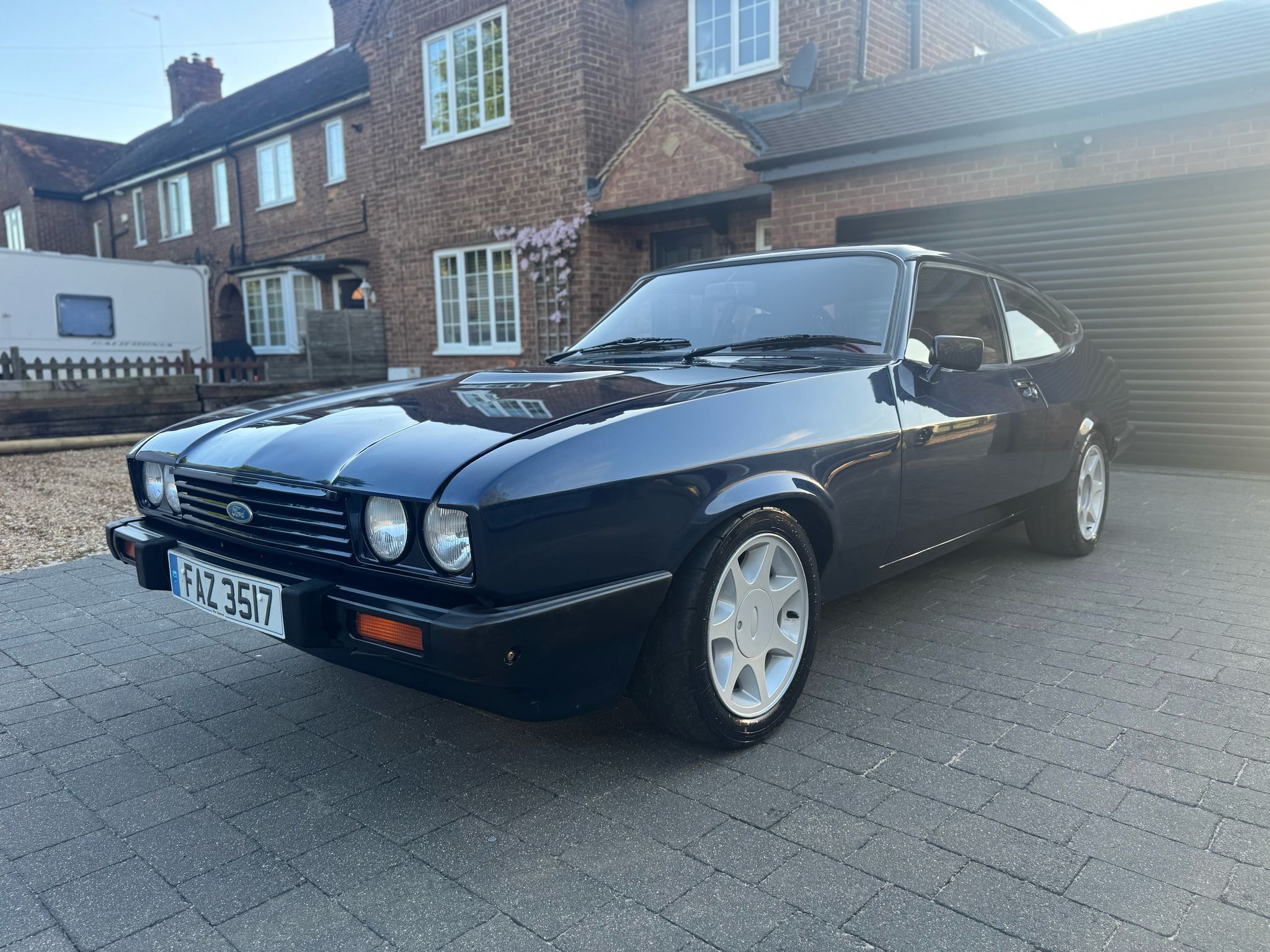
The Ford Capri 2.8i Brooklands is the car that gets Capri enthusiasts talking. It was the final hurrah — the last-ever Capri, built in limited numbers at the Cologne factory in 1987, and named after the famous Brooklands racing circuit. Only 1,038 were made, and it’s become the most collectible Capri of the lot. I’ve restored one from the ground up at my workshop near Milton Keynes, and I know these cars inside and out — literally. Here’s what makes them special, what to watch out for if you’re buying one, and what a proper restoration actually involves.
What Makes the Brooklands and 280 Special?
First, let’s clear up the names. The “Capri 280” and the “Capri 2.8i Brooklands” are the same car — Ford marketed it as the 280 in mainland Europe and the 2.8i Brooklands in the UK. Either way, it was Ford’s farewell to one of its most iconic models.
What set it apart from the standard 2.8 Injection:
- Unique body kit — deeper front air dam, extended side skirts, and a rear boot spoiler that integrated with the tailgate. These aren’t just cosmetic — they changed the whole stance of the car.
- RS four-spoke alloys — 15-inch wheels that were specific to the Brooklands. Finding a clean set today is getting harder and more expensive.
- Half-leather Recaro interior — grey leather bolsters with cloth centres. Comfortable, supportive, and distinctive.
- Cologne 2.8 V6 — the same engine as the standard 2.8i, producing around 160bhp. Not a powerhouse by modern standards, but it has a lovely character and a proper V6 soundtrack.
- Limited numbers — only 1,038 UK-spec cars were built. That rarity is a big part of why values have climbed so sharply.
From a bodywork perspective, the Brooklands is essentially a standard Mk3 Capri shell with the addition of the body kit. That’s important — because it means the underlying rust problems are exactly the same as any late Capri, but the unique exterior parts add a layer of complexity (and cost) to the restoration.
The Rust You’ll Find — And Where to Look
The Brooklands rusts in all the same places as a standard Mk3 Capri. The difference is that the body kit can hide some of the worst areas until you start pulling things apart. The extended side skirts, for instance, sit over the bottom of the sills — and I’ve seen cars where the sills were completely gone behind what looked like a tidy body kit.
The critical areas I check on every Brooklands that comes through the door:
- Sills — the number one problem. These are structural, and on a Brooklands, the body kit trim conceals the lower section. Pull back the side skirts and check what’s underneath. If you’re buying a project car, insist on seeing behind the trim before you commit.
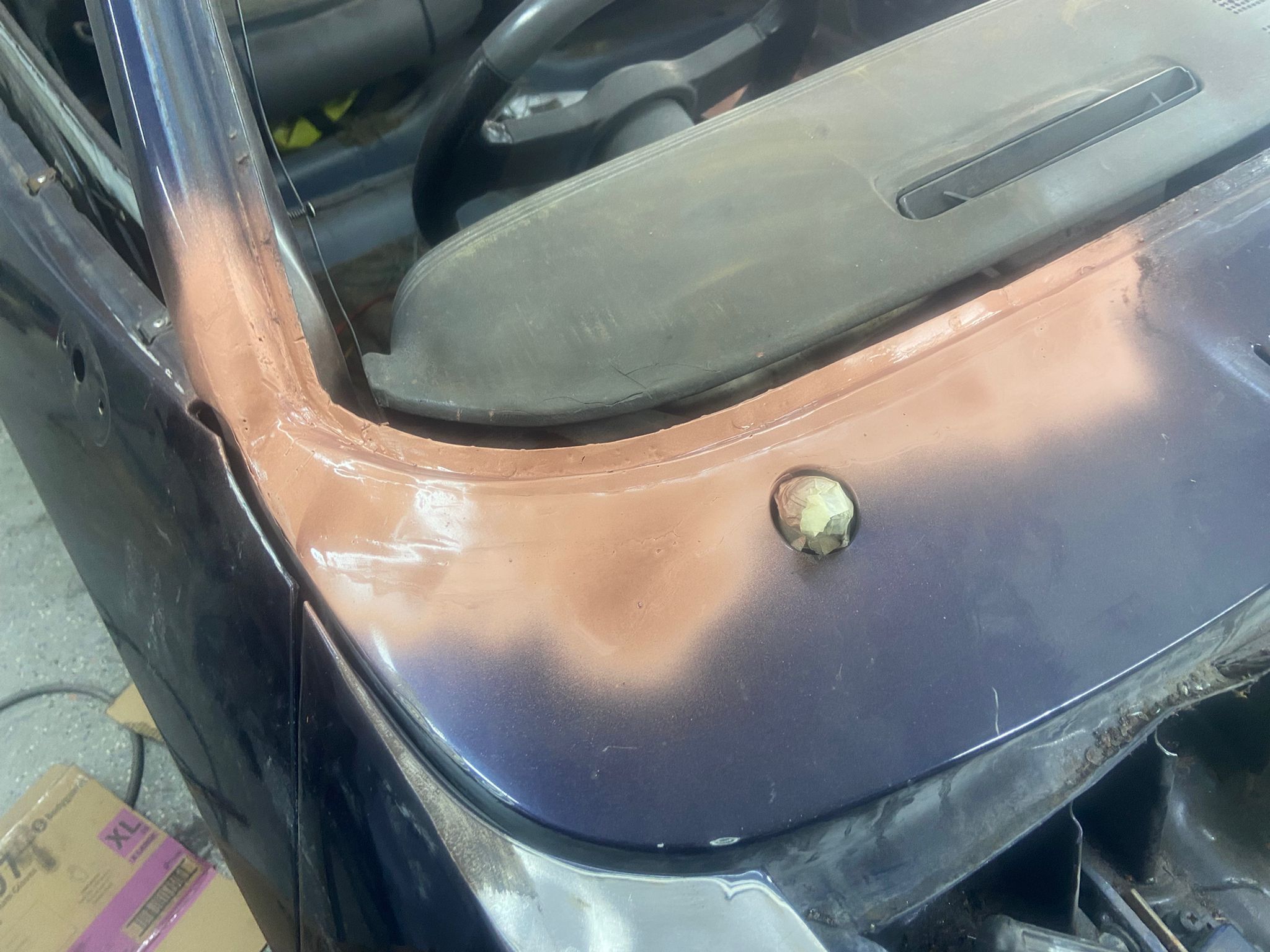
- Scuttle panel — the metalwork around the base of the windscreen. This is a double-skinned area that traps water between the layers, and by the time you see rust on the surface, the inner structure is usually gone. On the Brooklands I restored, the entire scuttle needed cutting out and replacing with hand-fabricated metal.
- Rear wheel arches — the inner and outer skins trap moisture in the cavity between them. The Brooklands’ wider arch extensions can mask the damage. Poke at the lip where the arch meets the quarter panel — if it’s soft, there’s trouble behind it.
- Boot floor — water collects in the spare wheel well and rots through. The tailgate seal on later Capris is a known weak point, and once it starts leaking, the boot floor doesn’t stand a chance.
- Floor pans — check where the floor meets the sills, around the seat mountings, and under the carpet in the footwells. These areas rot from moisture trapped beneath the carpet.
Why Brooklands Restorations Are More Complex
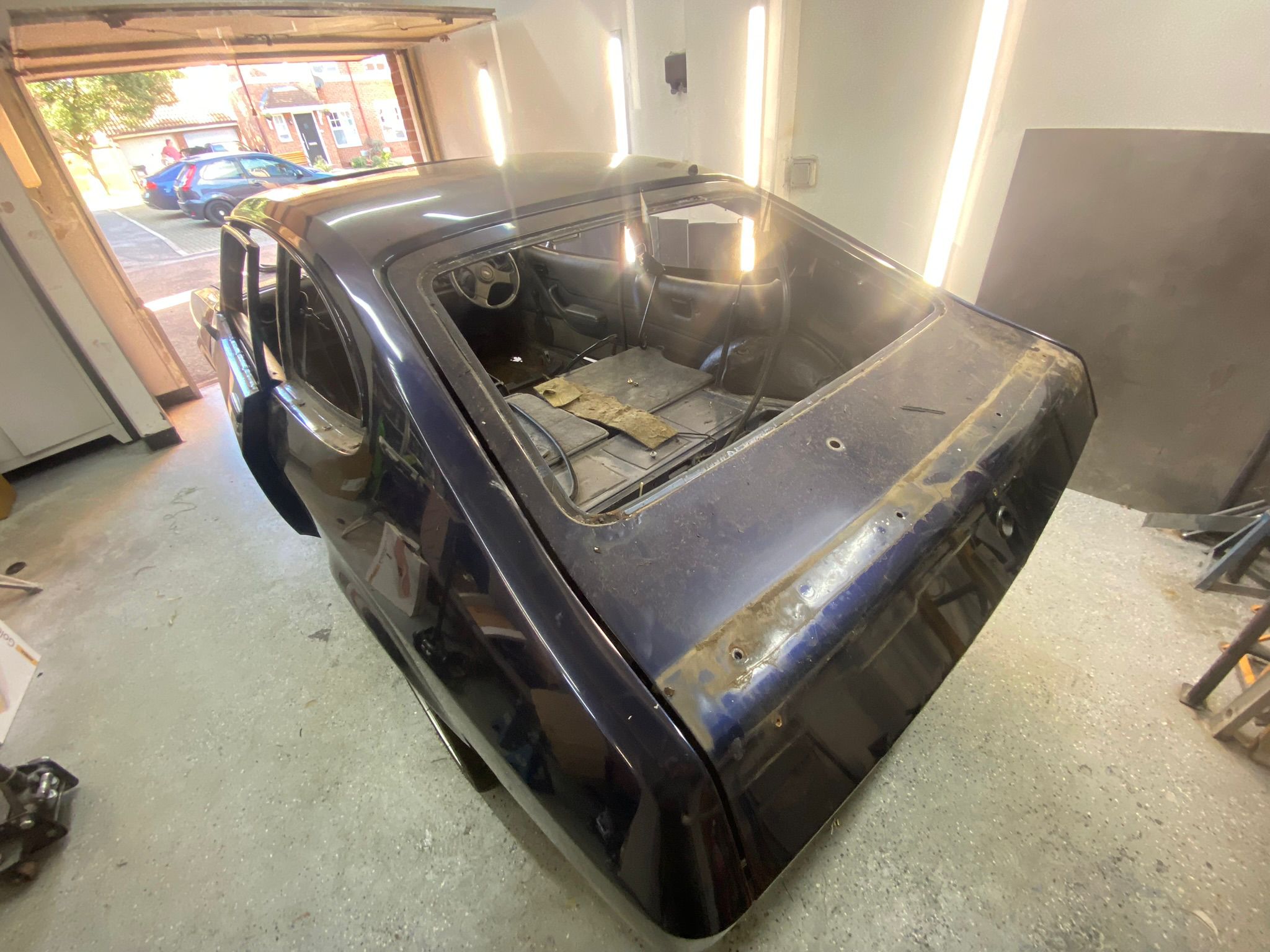
Every Mk3 Capri restoration follows roughly the same process — strip, assess, weld, protect, prime, paint, polish, refit. I’ve covered the general process in my Ford Capri restoration guide. But the Brooklands adds several complications that push the cost and time up:
The body kit. The Brooklands-specific front air dam, side skirts, and rear spoiler need to come off for any serious bodywork. They’re often brittle after nearly forty years, and finding replacements in good condition is difficult. If they’re cracked or warped, they need repairing before refitting — which means additional prep and paint work.
Unique trim and parts. The Brooklands-specific items — the body kit, the RS alloys, the half-leather Recaros, the Brooklands badging — are all getting harder to source. If your car is missing any of these, expect to spend time and money tracking them down. A Brooklands without its original kit is worth significantly less than a complete one, so getting these details right matters.
Colour matching. Most UK Brooklands were finished in Brooklands Green — a dark metallic green that looks stunning when it’s fresh but is notoriously difficult to match if it’s faded. Metallic greens shift in tone with UV exposure, and a panel sprayed in the original code can look completely different next to forty-year-old paint. This is where a proper custom respray makes sense — you can either match the aged colour or strip everything and start fresh.
What I Found on the Brooklands Build
The Brooklands 2.8i I restored is a good example of what to expect. The car looked presentable from the outside — you’d walk past it at a show and think it was a tidy car. But once I started stripping it back, the rust was everywhere.
The sills were gone. The floors needed sections replacing. The boot floor was rotten through. The scuttle panel — that critical area around the windscreen — was so far gone that the entire section needed cutting out and new metal fabricating by hand. The bonnet and bootlid were beyond saving and needed replacing entirely.
On top of the structural work, the roof had poor previous paintwork that needed stripping back to bare metal and repainting. The dashboard was cracked and needed repairing and respraying. Every mating surface got weld-through primer before welding, and all the hidden cavities were wax-oiled for long-term corrosion protection.
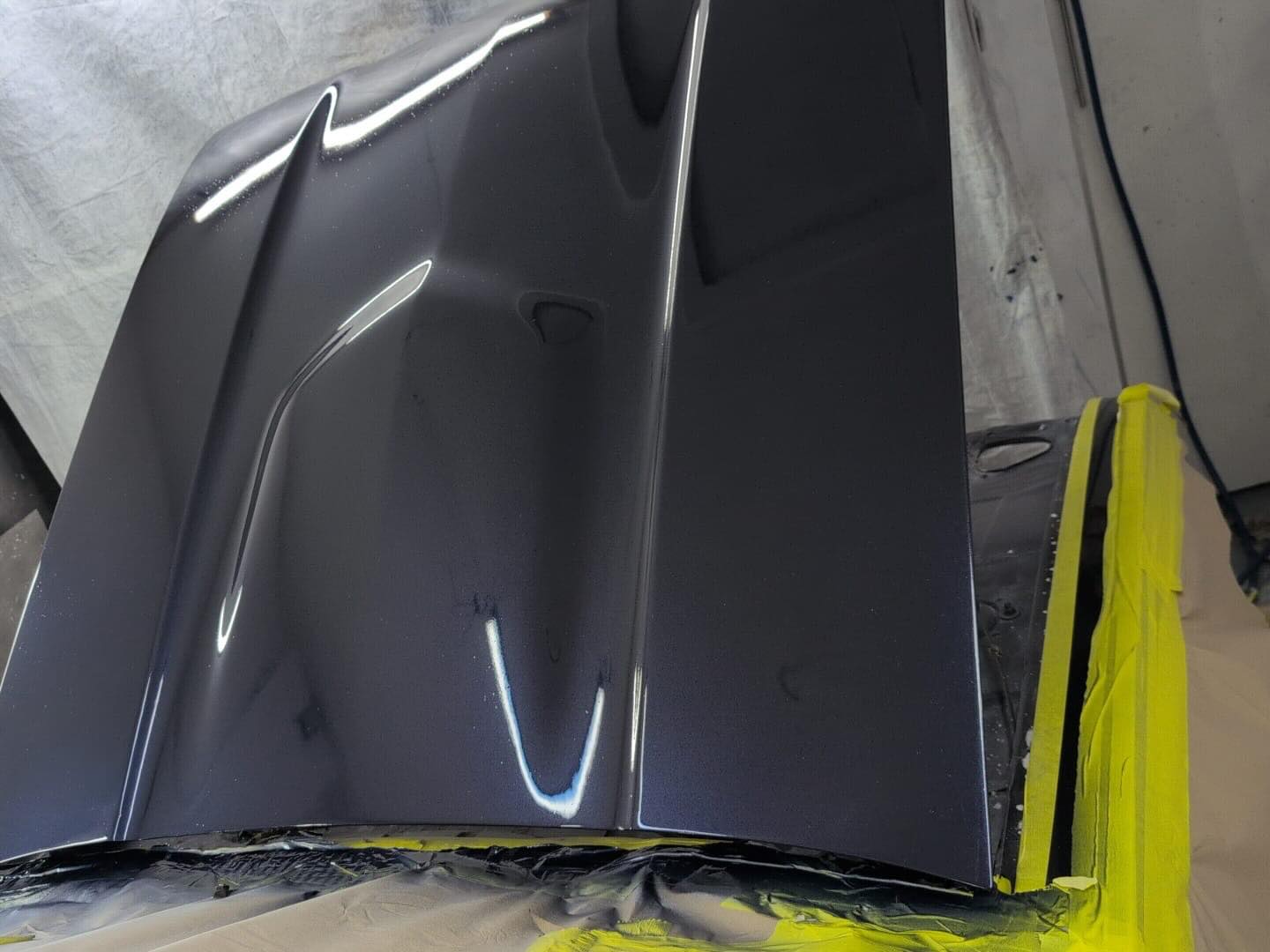
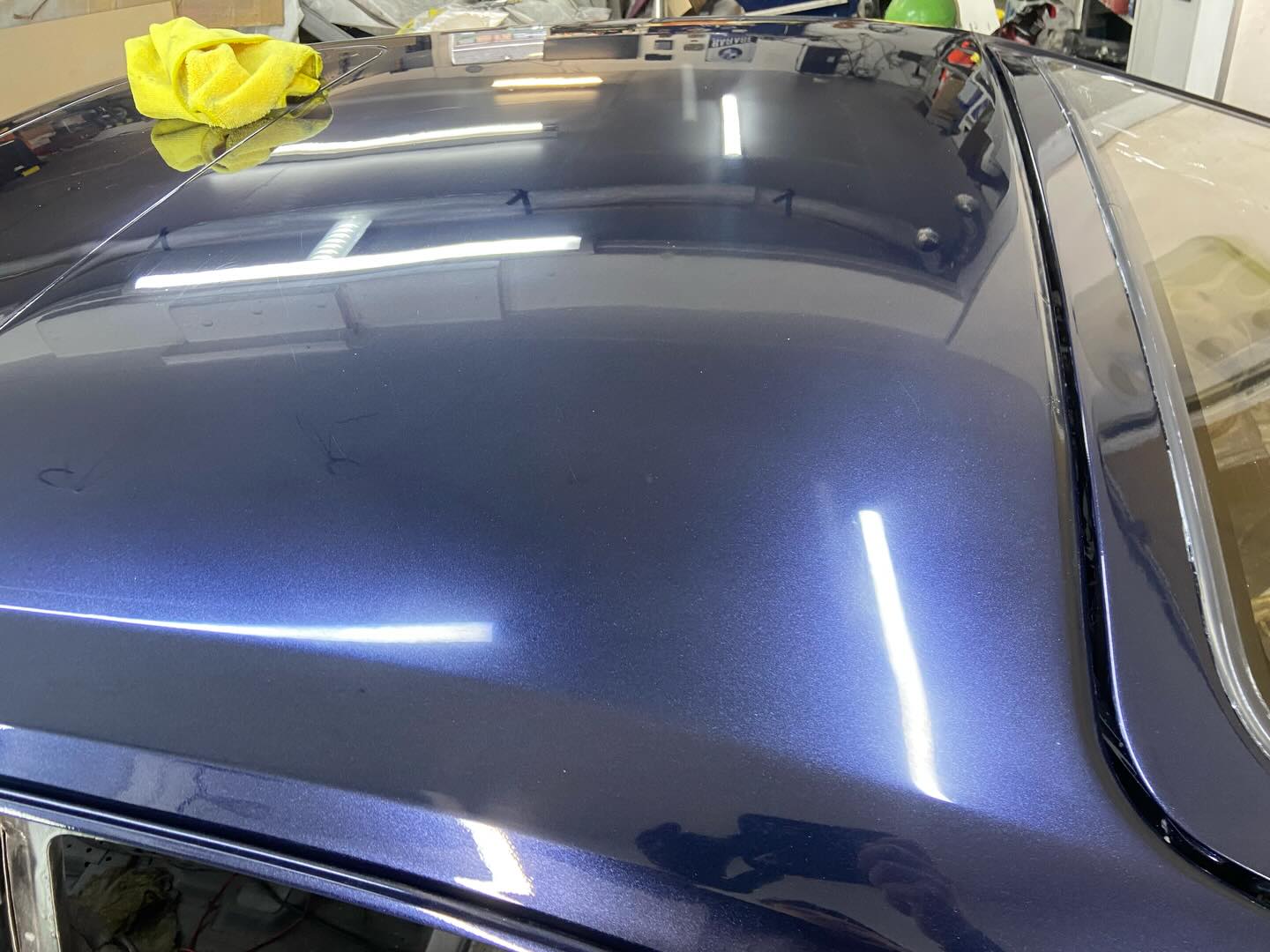
The owner chose to go with a custom VW blue metallic rather than the original Brooklands Green — and honestly, it suits the car beautifully. The paint was applied in the booth, then wet-sanded through 1500, 2000, and 3000 grit before being machine polished to a mirror finish. Over 150 hours of work from bare shell to completion.
What Are Brooklands Capris Worth?
Values have been climbing steadily, and they’re not showing any signs of slowing down. As of early 2026, you’re looking at roughly:
- Project condition (running but needs major bodywork) — £8,000–£14,000
- Usable condition (drives well, some rust, needs cosmetic work) — £15,000–£22,000
- Fully restored / excellent condition — £25,000–£35,000+
The maths can work in your favour. A project Brooklands at £10,000 plus £15,000 in restoration gets you a car worth £30,000–£35,000 — and you know exactly what’s been done because you’ve had it done properly. But the maths only works if the shell is solid enough to be worth restoring in the first place. A car that needs every panel fabricating from scratch will blow the budget before you’ve even got to paint.
The standard 2.8 Injection Specials are worth less — typically £5,000–£8,000 in project condition, up to £18,000–£25,000 restored. Still strong money for a Capri, and the restoration costs are nearly identical because the bodywork is essentially the same car.
Buying a Brooklands — What to Check
If you’re looking at buying a Brooklands, here’s my checklist beyond the standard rust areas:
- Check behind the body kit — pull back the side skirts if the seller will let you. If they won’t, walk away. The kit hides the bottom of the sills, which is exactly where the worst rust sits.
- Verify the VIN and build number — there are only 1,038 UK cars. A genuine Brooklands has a build plate, and the VIN should match the registration document. There are standard 2.8s out there with Brooklands kits fitted — the body kit alone doesn’t make it a Brooklands.
- Check the unique parts are present — RS alloys, half-leather Recaros, Brooklands badging, the specific body kit. Missing parts are expensive to replace and devalue the car significantly.
- Look at the scuttle panel — get under the windscreen area with a torch. Bubbling, cracking, or filler around the base of the windscreen is a red flag. This is one of the most expensive areas to repair properly.
- Inspect the boot floor — lift the carpet and check the spare wheel well. Poke the metal. If it’s soft or flaky, budget for a floor replacement.
Is a Brooklands Worth Restoring?
Absolutely — if the shell is solid enough and you go in with realistic expectations on cost. The Brooklands is the most desirable Capri, with strong values and a dedicated following. A properly restored example will always attract attention at shows, hold its value, and — most importantly — be a brilliant car to own and drive.
The key is getting an honest assessment before you start spending money. Too many people fall in love with the badge and the rarity without checking what’s underneath. A Brooklands with solid metalwork and tired paint is a great project. A Brooklands that’s rotten from end to end with half the unique parts missing is a money pit, no matter how desirable the model is.
The badge might make it special, but the metalwork is what makes it worth restoring. Get the bodywork right and everything else follows — get it wrong and you’ll spend more putting it right than the car will ever be worth.
Thinking About a Brooklands Restoration?
If you’ve got a Brooklands or a 2.8 Injection that needs bodywork — whether it’s rust repair, welding, a full strip and respray, or a complete bare-metal restoration — I’d be happy to have a look. I’m based just outside Milton Keynes in Wicken, and I specialise in classic Fords. I’ve been through the Brooklands restoration process from start to finish, so I know exactly what to expect and where the surprises hide.
Send me some photos on WhatsApp — I’ll give you a straight assessment of what’s needed and what it’s likely to cost. No pressure, just honest advice from someone who’s done the job. And if you want to see exactly what’s involved, have a look at the full 1986 Brooklands restoration case study.