Where Ford Cortinas Rust: The Killer Spots, Mk1 Through Mk5
A classic Ford specialist walks through every Cortina rust trap from 1962 to 1982. Mk-by-Mk weak spots, photos from real restorations, and what proper repair actually costs.
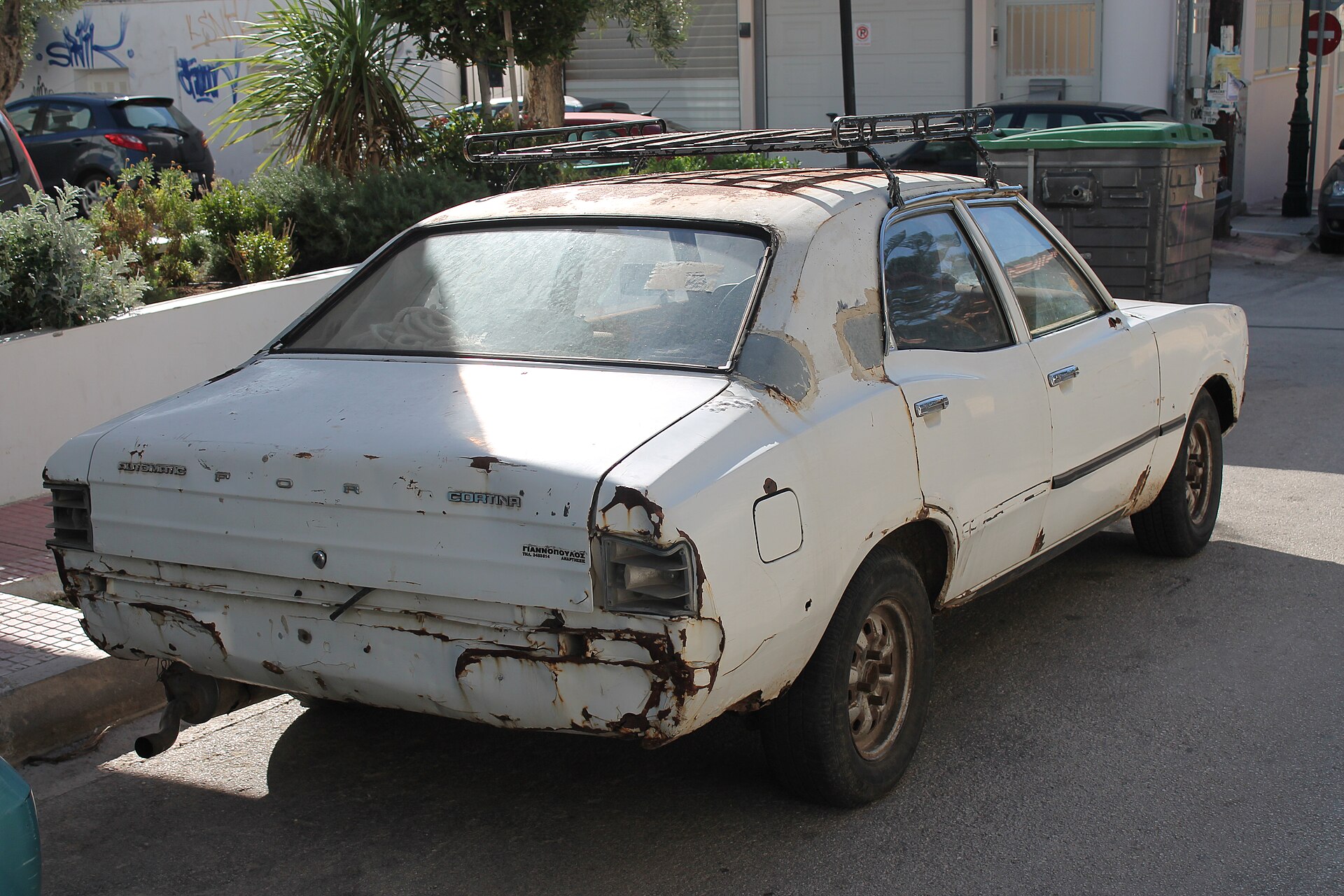
Every Ford Cortina rusts. The question is where, and how badly. After two decades of welding and fabrication work on classic Fords at my workshop near Milton Keynes, I’ve cut into Mk1s through to the last UK-built Mk5s — and every generation has its own pattern. Knowing which one you’re dealing with, and where to look, is half the battle when you’re checking a car. This is the spot-by-spot Cortina rust guide I wish every prospective buyer had read first.
Why Ford Cortinas Rust the Way They Do
The Cortina was built fast, cheaply and to a price. From the original 1962 launch through to the Mk5 Crusader in 1982, rust-proofing was barely a factory consideration — a thin primer, paint, a quick squirt of underseal in the obvious places, and out the door. Cortina engineers liked double-skinned panels (sills, rear arches, boot floor, scuttle) which trap water between the layers in spots you can’t see, can’t reach, and can’t drain. Salt-belt winters in the UK and Ireland finished the job.
Ford started galvanising some Mk4 and Mk5 panels from 1976 onwards, but it only slowed the rot — and only in some places. Sills, jacking points, boot floors and inner wings still go on every generation. The Coke-bottle Mk3 is now the most-restored Cortina shell on the road, and the Mk4 and Mk5 are the next to disappear. Most owners don’t know where to look. Here’s the Mk-by-Mk breakdown, the hidden ones nobody checks, and what proper repair actually costs.
Mk1 Ford Cortina Rust Spots (1962 to 1966)
The Mk1 is over sixty years old now. Anything that hasn’t been welded, cut out and welded again is the exception, not the rule. The shell is simple, the access is good, but every panel is a potential rust trap and most parts you’d want are no longer available off the shelf — meaning hand fabrication for a lot of repairs.
- Front valance — stone chips and road spray destroy the lower edge. £200 to £400 in fabrication and paint to put right.
- Inner wings and strut tops — structural. Suspension turret rot is an MOT failure and unsafe to drive. £600 to £1,200 per side.
- A-posts — water tracks down the windscreen, gets behind the rubber, rots from inside out. You won’t see it until the screen is out. £400 to £800 per side.
- Sills (inner and outer) — three-layer structural panels. Most Mk1s have been plated over multiple times. Both sides done properly is £2,000 to £3,500.
- Floor pans, especially the seat mounts — half-floor section £400 to £600 each side, seat-mount reinforcement extra.
- Rear wheel arches — bubbles at the lip mean the inner skin behind it has gone too. Full arch repair £600 to £1,000 per side.
- Boot floor and spare wheel well — water pools, the seam where the well meets the floor goes first. £400 to £700.
- Chassis rails and spring hangers — load-bearing, dangerous if neglected. £1,000 to £2,500 per rail.
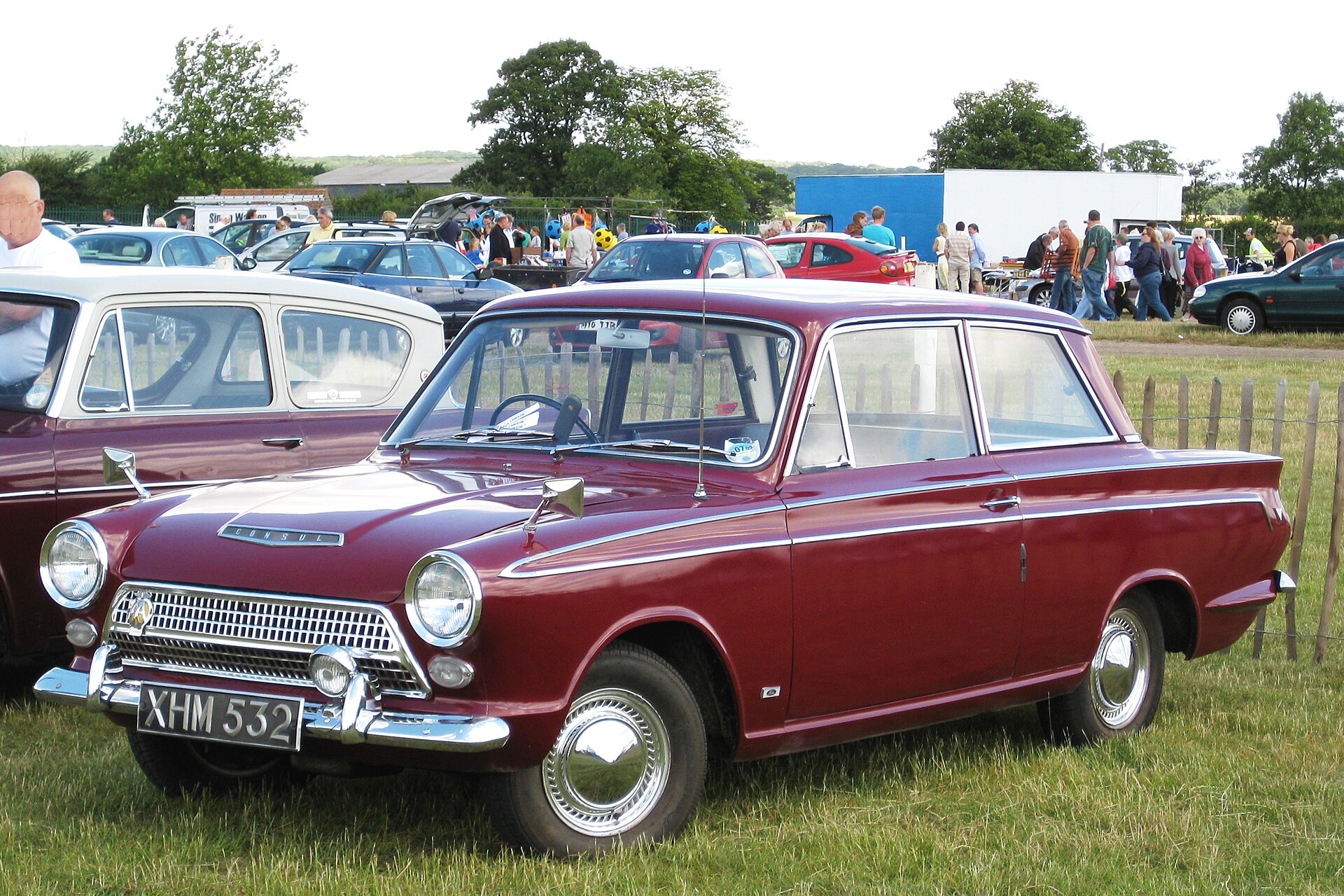
The big Mk1 problem is parts availability. Inner wings, A-post repair sections, lower B-post returns and several structural panels simply aren’t reproduced. That means hand-making replacements from sheet steel using a shrinker, stretcher and English wheel to match the factory lines — skilled time-consuming work that adds materially to the bill. On a Mk1 Lotus Cortina the picture is worse again, because the aluminium boot, doors and bonnet on early cars corrode where they bolt to the steel structure and the rare panels can take months to find.
Mk2 Ford Cortina Rust Spots (1966 to 1970)
The Mk2 shares much of the Mk1’s inner structure and adds some new water traps of its own. The body is cleaner, the panels are flatter, and the Savage and 1600E premium trims have made surviving cars worth restoring properly — which is exactly why dodgy repairs are common and why a careful inspection matters.
- Rear shoulder line and quarter panels — the Mk2’s distinctive “shoulder” crease holds water and grime. The quarter panel rots from inside, behind the seam. Full quarter repair £800 to £1,500.
- Inner wings around the strut tops — same as the Mk1 but slightly better access. £500 to £1,000 per side.
- Sills — three-layer structural pattern continues. £2,000 to £3,500 both sides.
- Floor pans (seat mounts especially) — half-floor section £400 to £600 each side.
- Rear arches — go from the inner skin out. Bubbles on the outer arch mean the inner has already gone. £600 to £1,000 per side.
- Boot floor and seam to spare wheel well — water pools, seam rusts through. £400 to £700.
- A-posts (still) — same problem as the Mk1, same fix. £400 to £800 per side.
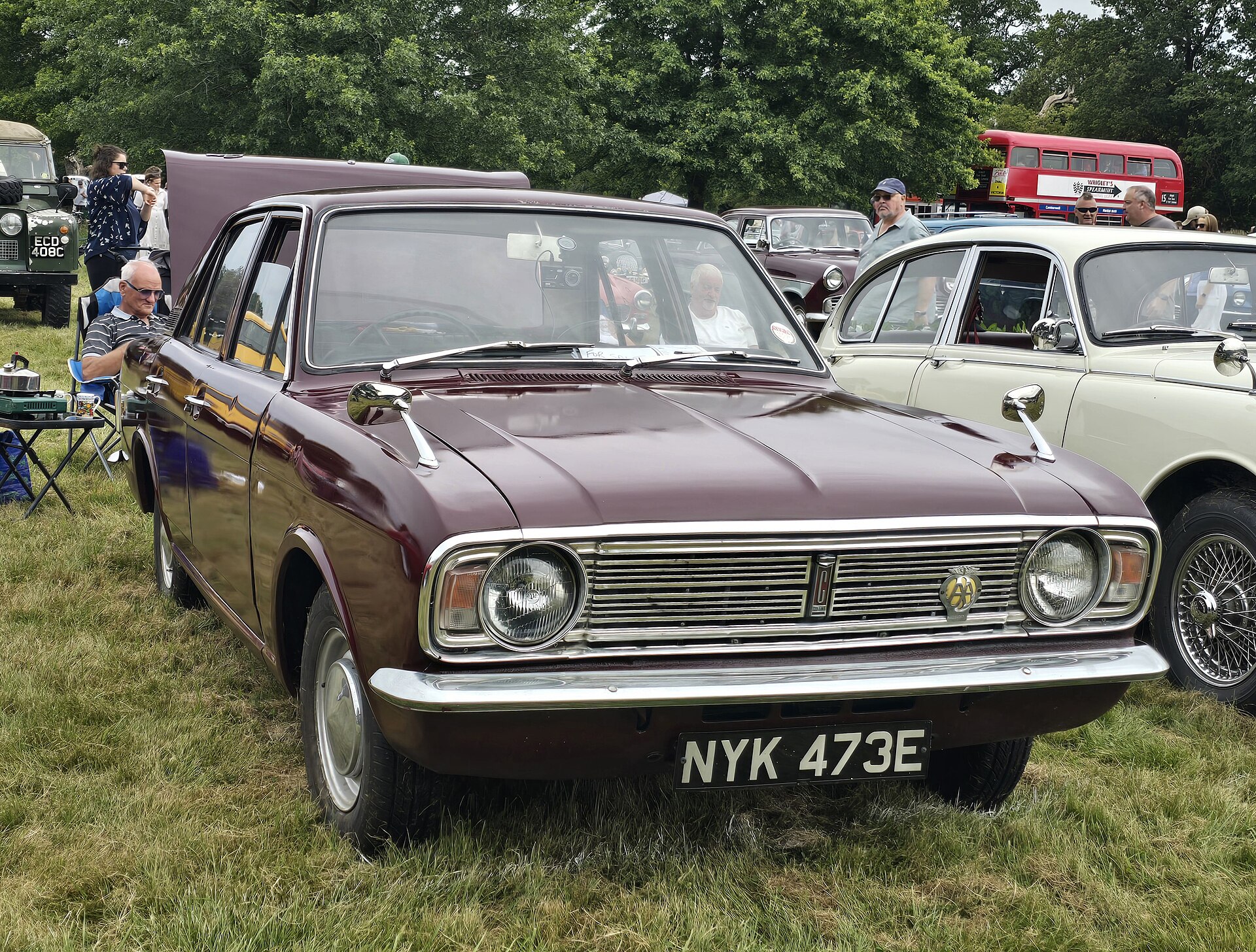
The Mk2 1600E and Savage carry a premium that makes proper restoration economically sensible. The standard 1300 and 1500GT cars don’t, which means a lot of standard Mk2s have been patched over rather than properly repaired. The covered-up sills and dodgy quarter repair are the two single most common Mk2 problems — read on for the filler-check section at the bottom of this guide.
Mk3 Ford Cortina Rust Spots (1970 to 1976)
The Coke-bottle Mk3 is the high-volume Cortina restoration target right now. Values on the 1600E, 2000E and GXL have climbed steadily since 2020 and that’s drawing project cars out of barns and behind sheds across the country. The Mk3 shell has its own rust pattern, and several spots that are unique to this generation.
- Inner sill (the killer on a Mk3) — the inner structural sill goes from the inside out, hidden under the outer sill skin. By the time you can see it, the whole inner section is gone. Both sides properly repaired is £2,500 to £4,000.
- Scuttle panel — the panel under the wipers traps water from the wiper drain pattern. Rots from the top down. £800 to £1,500.
- Front strut tops — structural double-skinned panels, MOT failure when rotten. £400 to £800 per side.
- Rear wheel arches (behind the wheels) — the Coke-bottle styling creates a hidden water trap behind the rear wheel that doesn’t drain. Outer arches bubble first, inners go shortly after. £500 to £900 per side.
- Boot floor and spare wheel well — water pools in the well, seam rusts through. £300 to £700.
- Vinyl-roof cars (1600E and 2000E especially) — water gets under the vinyl, rusts the roof from the top down. Most expensive Mk3 problem on the list — full roof skin and refit £1,500 to £3,000.
- Fuel filler neck — water gets behind the filler cap surround and rots into the rear quarter. £300 to £500.
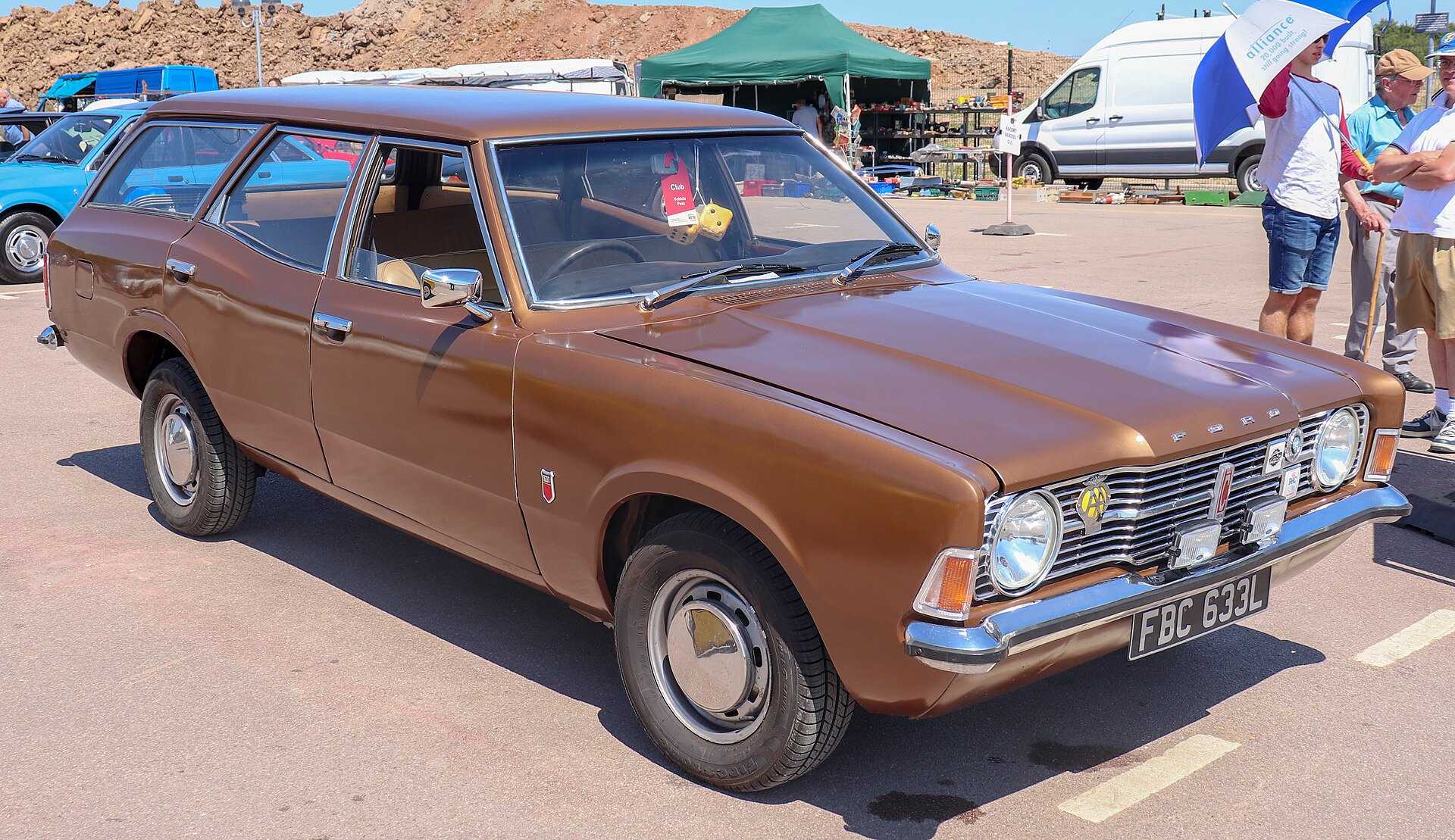
If you’re cross-shopping Mk3 trims, the Ford Cortina Mk3 buyer’s guide covers the 1600E vs 2000E vs GXL vs Ghia question in detail, including which trim is worth proper restoration spend and which is better recommissioned. The 1600E vinyl-roof check is the single most important inspection on a Coke-bottle Cortina — get this one wrong and you’re £3,000 down before you’ve even seen what’s underneath.
Mk4 Ford Cortina Rust Spots (1976 to 1979)
The Mk4 was a clean-sheet square-cut redesign. Ford introduced some galvanising on the inner panels, the shell drains better than the Mk3, and the rust pattern shifted with it. The Mk4 looks like the simpler, more honest Cortina to inspect — and mostly it is, but the spots that go are the spots that matter.
- Sills — better than the Mk3 but still go on every neglected car. Both sides £2,000 to £3,500.
- Rear arches — the Mk4’s flatter arches don’t trap water like the Mk3 but the inner arch lip still goes. £500 to £900 per side.
- Jacking points — pressed-in points tear out when the surrounding metal goes. MOT failure. £150 to £300 per point.
- Boot floor — water pools in the spare wheel well, seam rusts through. £300 to £600.
- Fuel filler neck — same as the Mk3. £300 to £500.
- Ghia vinyl roof — the Mk4 Ghia’s vinyl roof is the worst-affected of any Cortina vinyl roof generation. Water gets in, the steel underneath rots from the top down. £1,500 to £3,000 for proper skin and refit.
- Front wing arches around the indicators — front wings hold mud behind the indicator housing. £300 to £500 per side.
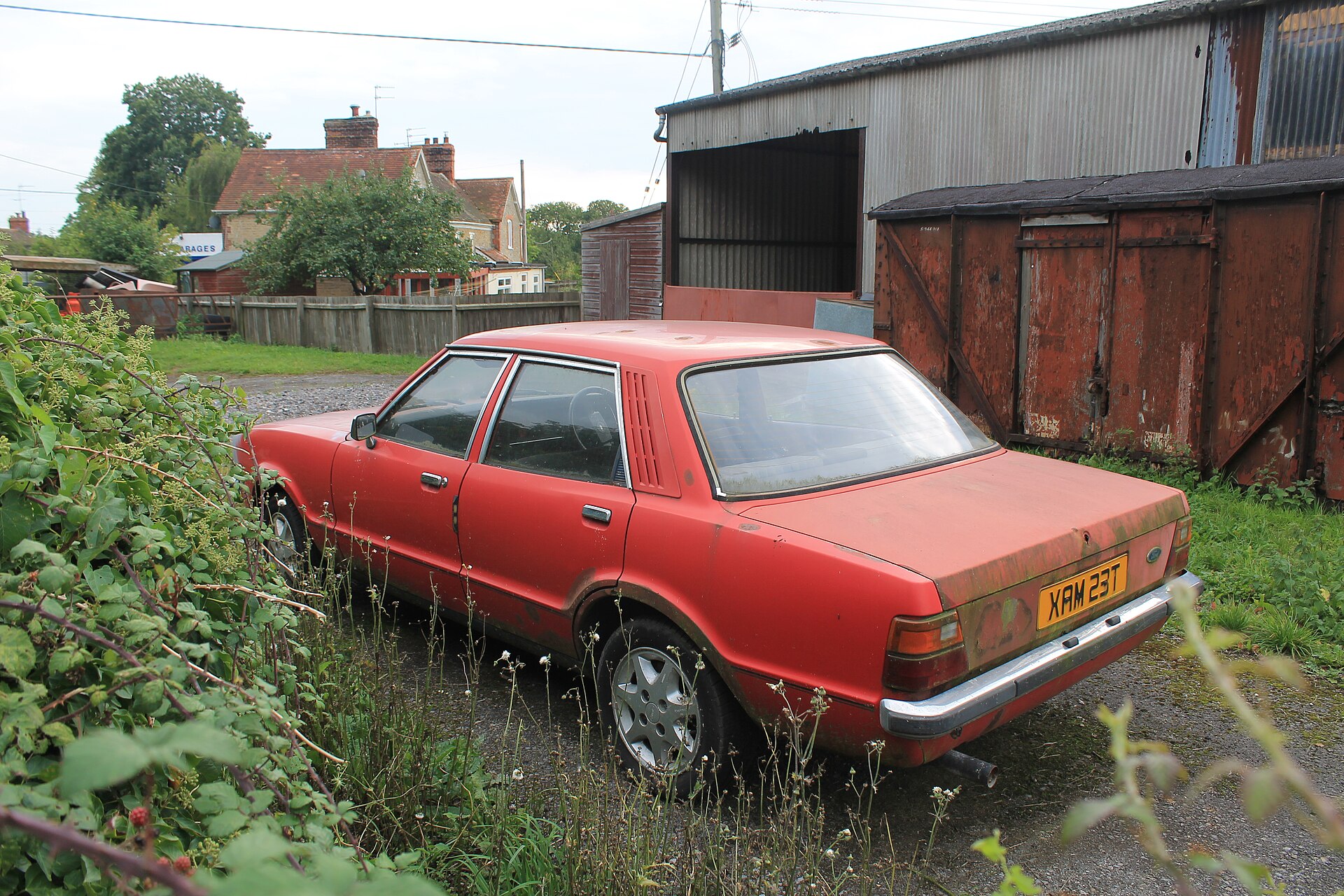
Mk5 Cortina / Cortina 80 Rust Spots (1979 to 1982)
The Mk5 — Ford marketed it as the “Cortina 80” — was the last UK Cortina before the Sierra arrived. It’s a facelifted Mk4 in most respects, with more galvanising on the front structure and a better factory wax injection programme. The Mk5 has been seen as “not really old yet” for the last three decades, which is the main reason survival rates have dropped sharply: people scrapped them instead of restoring them.
- Sills — better than every previous Mk but they still go. Both sides £1,500 to £3,000.
- Rear arches — the lip goes first, the inner arch follows. £400 to £800 per side.
- Boot floor — spare wheel well seam. £300 to £600.
- Jacking points — pressed-in points tear out. MOT failure. £150 to £300 per point.
- Ghia vinyl roof — same problem as the Mk4. £1,500 to £3,000.
- Crusader decals — the Crusader’s distinctive side stripes can hide rust if previously removed and not properly reapplied. Always check what’s underneath any decal that’s been replaced.
- Fuel filler neck — same as Mk3/Mk4. £300 to £500.
- Front strut tops — much better than Mk3 but still worth checking on a high-mileage shell. £400 to £800 per side if needed.
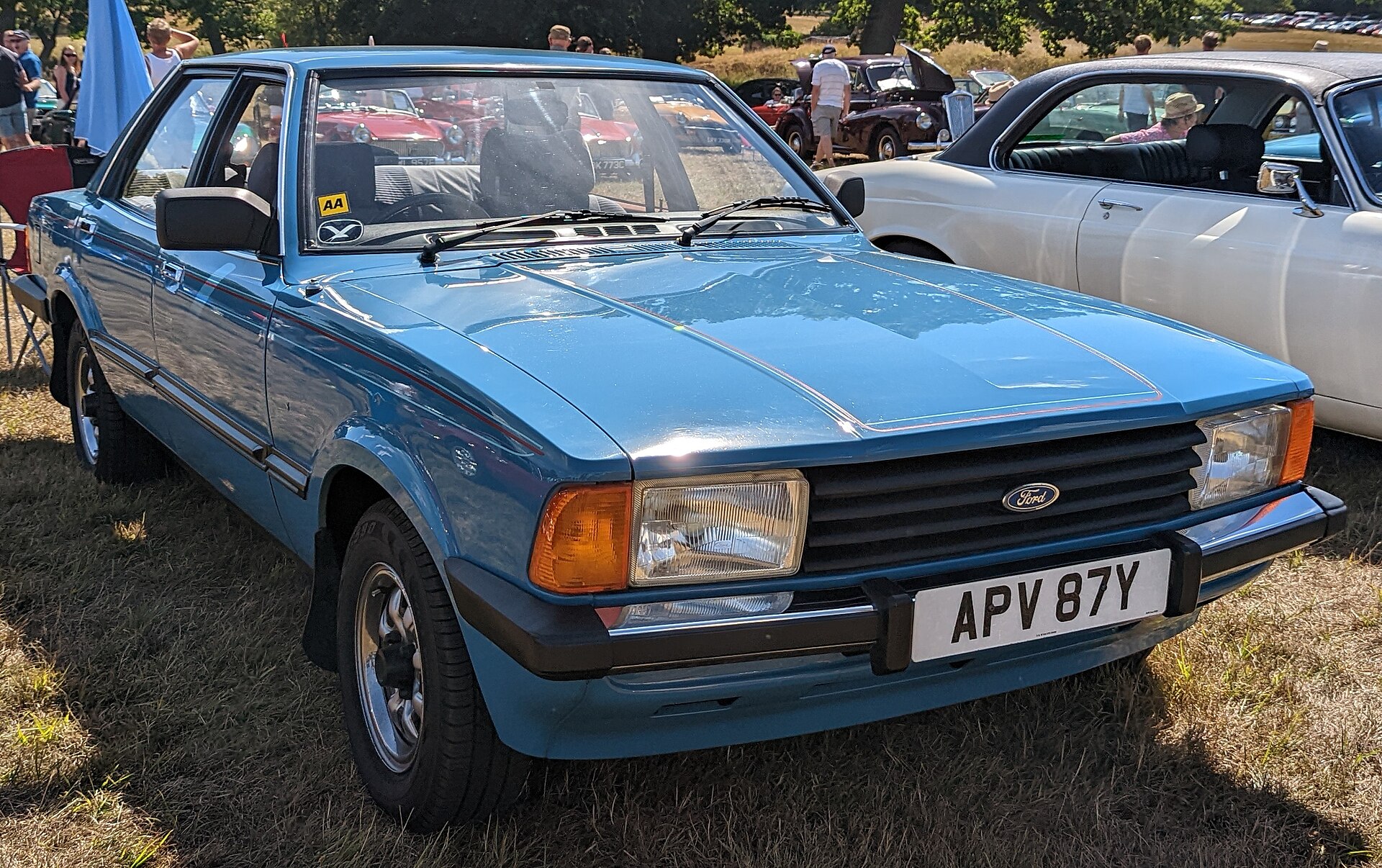
The Mk5 is the smart-money Cortina right now. The Mk5 Crusader and Ghia buyer’s guide covers why values are climbing on these last UK Cortinas, what each trim is worth restoring, and how to spot a real Crusader from a base-spec car wearing replica decals.
Cortina Estate Rust Spots — Every Mk
Cortina estates were always working cars. Most have been hammered, most got worse treatment than the saloons, and most got scrapped earlier — which is exactly why surviving estates are now appreciating faster than the equivalent saloon trims. They get all the saloon rust spots plus a few of their own that are worth knowing.
- Load floor — wet dogs, wet wood, wet tools, no drainage. The estate load floor rusts from the top down. £500 to £900 for a proper repair section.
- Tailgate frame — water tracks down inside the tailgate and pools at the bottom. £400 to £800.
- Rear suspension turret mounts under the load bay — load-bearing, MOT failure when rotten. £600 to £1,000 per side.
- D-pillar where the tailgate hinges mount — hinges work loose, tailgate sags, water gets into the pillar. £300 to £600 per side.
- Rear floor at the wheel arch interface — the inner arch meets the floor and goes there first. £400 to £700.
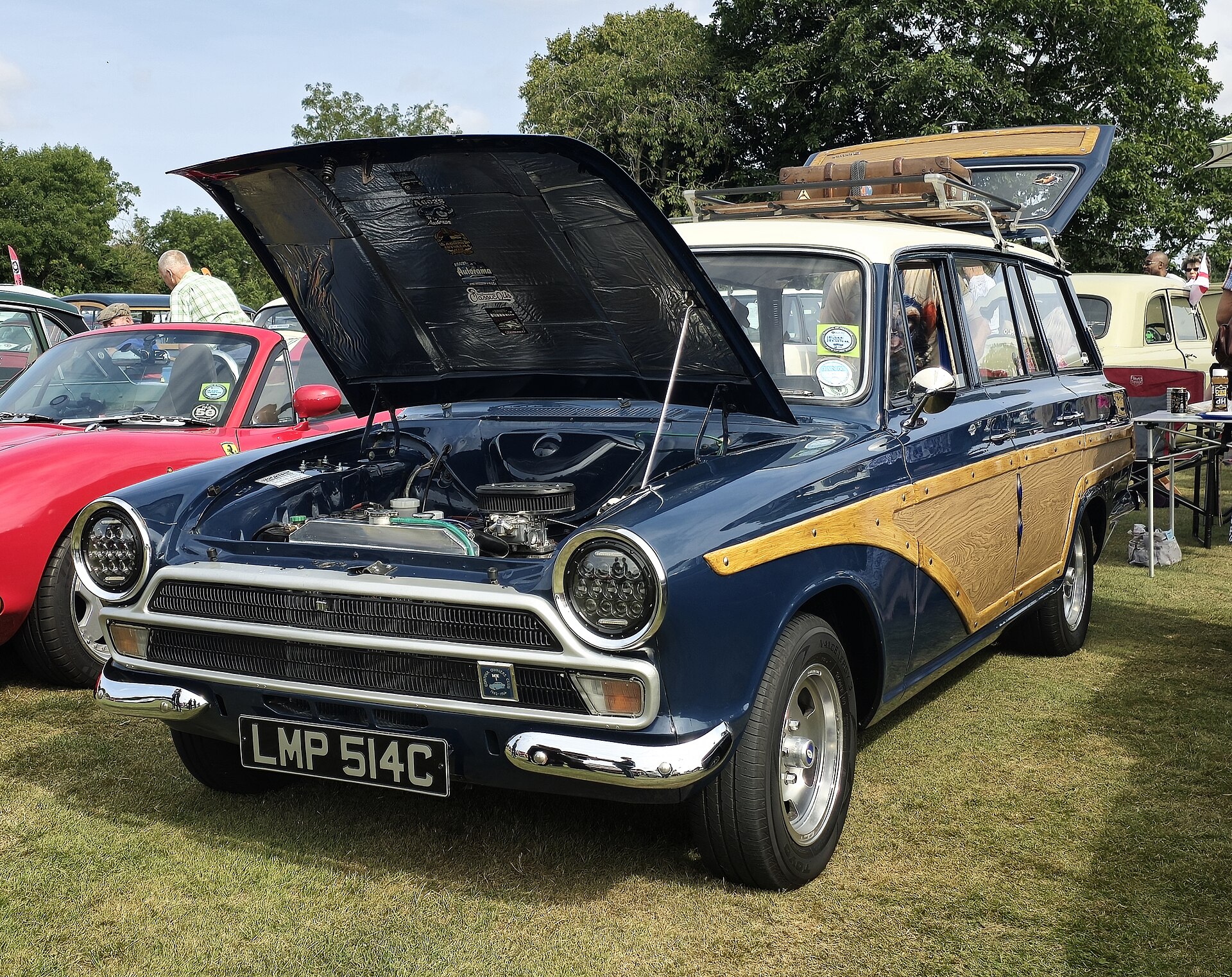
The Hidden Cortina Rust Spots Nobody Checks
These are the ones that catch out buyers, MOT testers and owners alike. They apply to every Mk, and they’re often what turn a “tidy” Cortina into an expensive surprise on the lift.
- Heater box — sits under the scuttle, catches scuttle drain water. A crusty heater box is the first sign the scuttle has gone above it.
- A-pillar tops behind the windscreen rubber — water tracks down, rust starts inside, you don’t see it until the screen is out. £400 to £800 per side.
- Seatbelt mounts — bolt into the inner sill or floor. If the surrounding metal is rotten, the belt won’t hold in a crash. MOT failure, safety issue.
- Fuel tank straps and tank-to-floor mounts — straps corrode, tank drops, mounts tear out of the floor. £200 to £500.
- Headlamp bowls (Mk1 and Mk2) — the metal bowls behind the headlamps rust through to the inner wing.
- Jacking points — easy to forget. Pressed-in tubular points tear straight out of rotten floor metal. £150 to £300 each.
- Underseal hiding holes — heavy underseal over a previous “repair” hides everything. Scrape, prod, look underneath.
How to Check for Filler and Bad Repairs on a Cortina
Cortina rust is hidden under filler more often than on any other classic Ford I see in the workshop, because so many have changed hands at private-sale prices where there’s no comeback. Four checks to do before you write a cheque:
- Magnet test — run a fridge magnet along the sills, arches, lower doors and rear valance. If it doesn’t stick or pulls away easily, there’s filler underneath. Cheap, fast, definitive.
- Paint thickness gauge — £30 online. Factory paint reads 100 to 150 microns. Over 300 is suspicious. Over 500 is definitely filler.
- Low-angle light check — sun or a torch held at a low angle along the panel. Wavy reflections, dips and bumps that vanish head-on become obvious. Ripples mean filler.
- Screwdriver test on the underside — push a small screwdriver firmly into any suspicious area under the car. Sound steel resists. Rotten metal dents or pops straight through.
Same routine I use on every classic Ford that comes in for inspection. The full pre-purchase methodology is in the buying a classic Ford project car guide. If you’re cross-shopping Cortinas against Capris or Escorts, the Capri rust guide and the Escort rust guide use the same checks with the same brutal results.
What Proper Cortina Rust Repair Actually Costs
Honest workshop numbers from real Cortina jobs. Brackets, not exact figures, because shell condition, parts availability and trim spec all move the totals. These are for proper welded repairs in fresh steel, ground, sealed and primed — not patches over patches.
- Single sill repair section (one corner) — £400 to £700.
- Full inner and outer sill, one side — £1,200 to £1,800.
- Both sills, full inner and outer — £2,000 to £3,500.
- Floor pan section (one corner) — £400 to £600.
- Full floor pan — £1,500 to £2,500.
- Rear arch outer skin — £400 to £700 per side.
- Full rear arch (inner and outer) — £600 to £1,000 per side.
- Rear quarter panel section — £800 to £1,500 per side.
- Front inner wing / strut top — £500 to £1,200 per side.
- Scuttle panel — £800 to £1,500.
- Boot floor and spare wheel well — £400 to £700.
- Vinyl roof removal and roof skin repair — £1,500 to £3,000.
- A-post repair section — £400 to £800 per side.
- Jacking point — £150 to £300 each.
A typical “tidy” Mk3 1600E that needs sills, both rear arches and a scuttle is £6,000 to £9,000 in bodywork before any paint or trim work. A full bare-shell restoration on a Mk1 Lotus Cortina is £25,000 to £45,000 in metalwork alone because of the hand-fabrication required. The Ford Cortina restoration cost guide covers the full picture by generation, including where it’s worth restoring and where it’s worth recommissioning instead.
Bring This Checklist When You View a Cortina
Print this, fold it, take it. Walk round in this order and you’ll save yourself a four-figure mistake.
- Magnet test on every external panel — sills, doors, arches, lower quarters, valance.
- Paint thickness gauge on the same panels.
- Sun or torch at a low angle along every panel — look for ripples.
- Underneath: jacking points, sills, floor pans, boot floor, chassis rails, fuel tank straps.
- Inside: lift the carpet at the seat mounts. Lift the boot floor mat. Check the spare wheel well.
- Under the bonnet: strut tops, inner wings, scuttle panel behind the engine.
- Around the windscreen and rear screen rubbers — look for bubbles or paint cracks.
- Vinyl roof, if fitted: prod gently along the edges where it meets the gutter. Squashy means rust underneath.
- Decals (Crusader especially): check what’s underneath any decal that’s been removed and reapplied.
- Heater box, A-pillar tops, fuel filler surround, headlamp bowls (Mk1/Mk2).
Walk away from any Cortina where the seller won’t let you do this — there’s a reason. Walk in with eyes open on any Cortina where you can do this and the rust is visible and honest: that’s the better buy than the “tidy” one with fresh paint over old metal.
We’ve Worked on These. Here’s What We’ve Learned
Every Cortina that comes into the workshop teaches the same lesson: the cars that look the worst are usually cheaper to put right than the ones that look the best. Visible rust is a quote. Hidden rust under filler is an open chequebook. The Mk3 1600E that arrives looking like a sound 80% restoration is regularly the one that turns into £20,000 of work; the Mk2 1500 that arrives as a project with the sills already cut open is the £8,000 sympathetic recommission.
If you’re looking at a Cortina and want a second opinion before you commit, send photos through the contact page — sills, arches, floors, boot floor, strut tops, and any vinyl roof. WhatsApp video walking round the car is even better. We’re classic Ford specialists in Milton Keynes and we’d rather steer you away from the wrong Cortina than weld you out of one six months later.