How to Sell a Classic Car (And What Restoration Adds to Its Value)
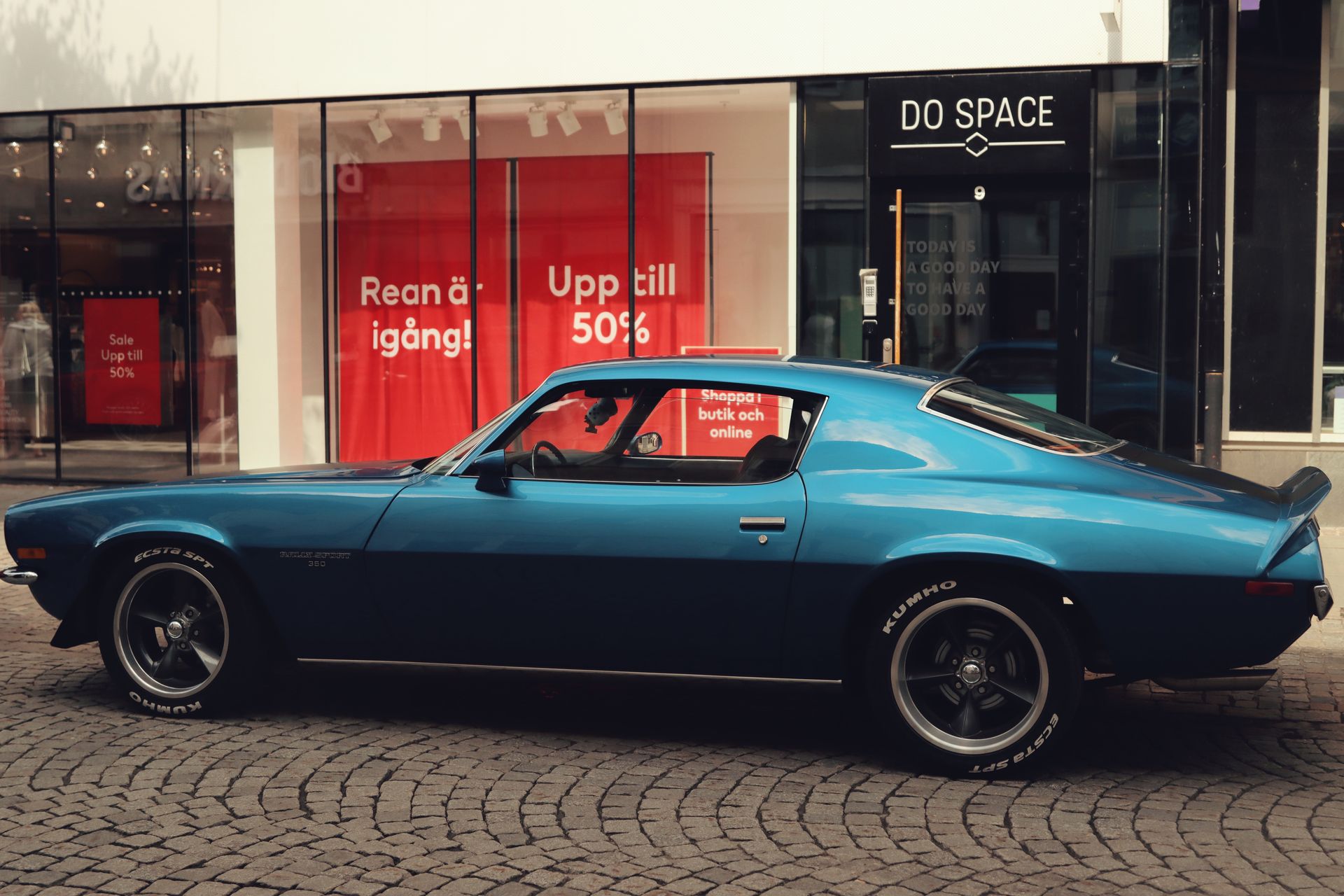
Selling a classic car is nothing like selling a normal used car. There’s no quick trade-in, no “we buy any car” price that does it justice, and the difference between a good sale and a poor one can run to thousands. Get the presentation, paperwork and pitch right and the car sells itself. Get it wrong and a genuinely good car sits unsold while buyers haggle you down.
I’m Alex — I restore and respray classics near Milton Keynes, and I see a lot of cars come through just before they go up for sale. Here’s how to sell yours well, and what restoration work actually adds to the price.
1. Work Out What It’s Really Worth
Before you do anything, get a realistic value. Condition matters far more than mileage on a classic, and the gap between a tidy car and a concours one is enormous. Check recent sold prices (not asking prices) on the auction sites and classifieds, look at what your model’s club rates them at, and be honest about which condition grade yours falls into. My Capri values guide shows how condition grading works in practice — the same logic applies to most classics.
2. Sort the Paperwork
Buyers of classics buy history as much as the car. A thick folder is worth real money. Pull together:
- The V5C logbook, ideally showing few owners
- Old MOTs, invoices and receipts — especially for restoration and bodywork
- Photos of any restoration in progress (these reassure buyers more than anything)
- Original handbooks, service records, and any heritage certificate
- Confirmation of tax and MOT-exempt status if the car qualifies
Two identical cars, one with a folder full of receipts and resto photos and one with nothing — the documented one sells faster and for noticeably more. Buyers are paying for peace of mind.
3. Decide What to Fix Before Selling
This is the big one, and it’s where people either make money or waste it. Not every job pays for itself — but some absolutely do.
Usually worth doing
- Tidying the paint — a machine polish or a tidy-up of obvious chips and scratches transforms first impressions for relatively little. Sometimes that’s all it needs; see respray vs paint correction.
- Dealing with visible rust honestly — buyers expect some on a classic, but active rust scares them. Even a small bodywork repair can lift the asking price.
- Getting it running and driving well — a car that starts and drives sweetly on the test drive sells far better than a “needs recommissioning” project.
Think carefully before
- A full respray purely to sell — a quality respray can add real value and make a car far easier to sell, but only if the metal underneath is sound. Spending big on paint over hidden rust rarely returns the outlay, and savvy buyers see through it. Know your respray costs before committing.
- Over-restoring a modest car — you can easily spend more than the car will ever be worth. Match the work to the model.
4. Present It Properly
Most classics are sold on photos before anyone sees them in person. Clean the car thoroughly, shoot it in good light against a plain background, and take plenty — exterior from all angles, interior, engine bay, boot, and crucially the underside and any known weak spots. Honesty in the photos builds trust; hiding the bad bits just wastes everyone’s time when the buyer turns up.
5. Choose the Right Place to Sell
- Marque club forums and classifieds — the most knowledgeable buyers, who pay for the right car.
- Specialist classic sites — Car & Classic and similar reach a national enthusiast audience.
- Classic auctions — good for rare or high-value cars; factor in the fees.
- General sites — wider reach but more time-wasters and lowball offers.
If you’re buying rather than selling, the same logic runs in reverse — my honest guide to buying a classic Ford project car covers what a careful buyer will be checking, which is exactly what you want to get ahead of as a seller.
Frequently Asked Questions
Does restoration add value to a classic car?
Quality, documented restoration usually does — particularly sound bodywork and a proper respray on a desirable model. But the work has to be done well and on the right car; over-restoring a modest model, or paint hiding rust, rarely returns what you spend.
Should I respray my classic before selling it?
Only if the metal underneath is sound. A good respray can make a car far easier to sell and lift the price, but spending thousands on paint over hidden rust is money you won’t get back — and experienced buyers will spot it. Often a polish and tidy-up is the smarter spend.
What paperwork do I need to sell a classic car?
The V5C, old MOTs, service history and restoration receipts, original handbooks, and any heritage certificate. Photos of restoration work in progress are especially valuable for reassuring buyers.
Where’s the best place to sell a classic car?
Marque club classifieds and specialist classic sites reach the most knowledgeable buyers, who tend to pay fairly for the right car. Auctions suit rarer, higher-value cars. General used-car sites reach more people but bring more time-wasters.
Thinking of getting your classic ready to sell, or wondering whether a respray would pay for itself? Send me some photos on WhatsApp and I’ll give you an honest steer on what’s worth doing. The workshop’s near Milton Keynes in Wicken — get in touch, or see my classic Ford restoration page if it’s a Capri, Escort or Cortina.