Stone Chips & Scratches: DIY Touch-Up vs Professional Repair
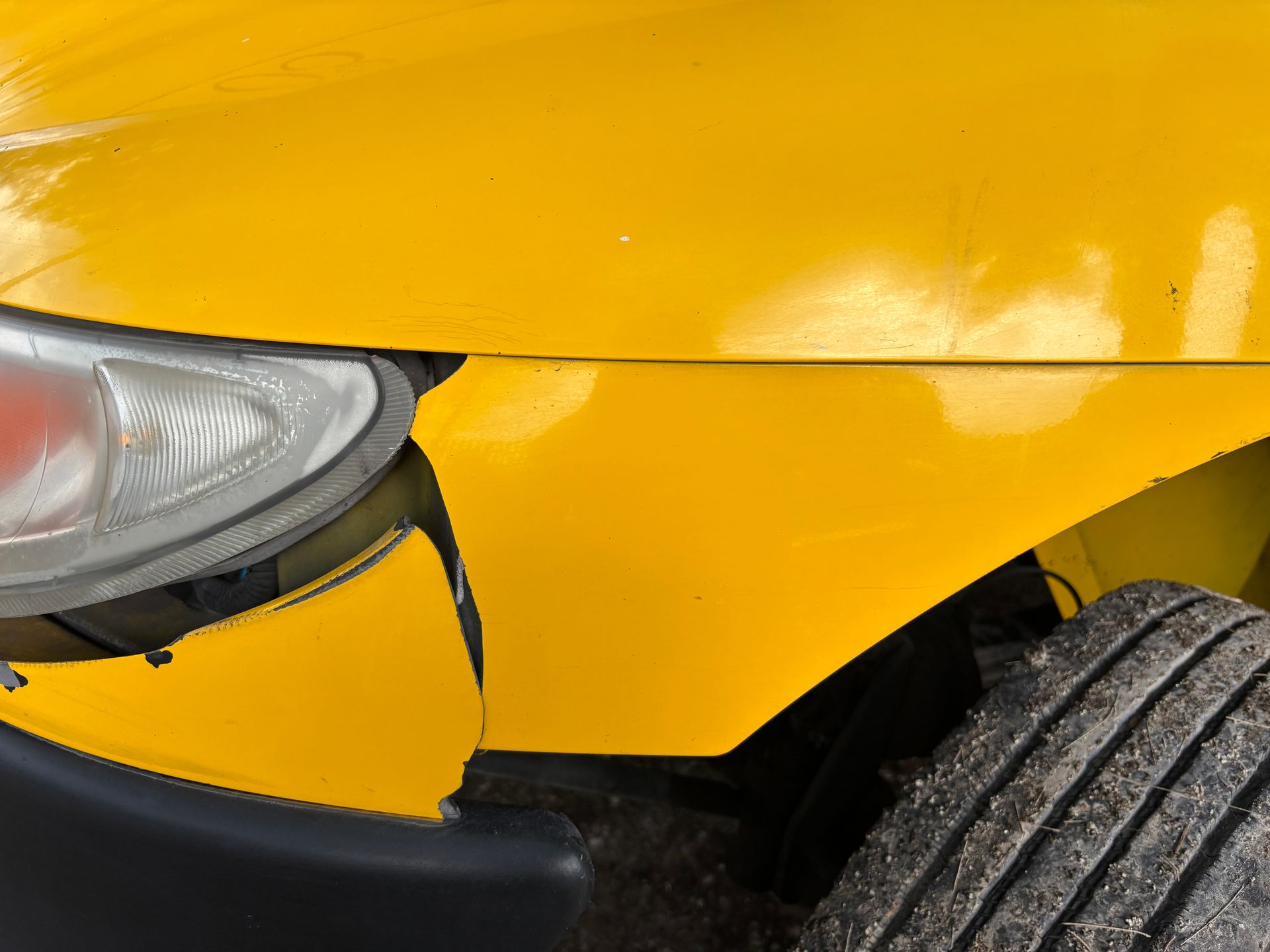
Stone chips and scratches are the most common reason people first contact a bodyshop. A chip on the bonnet, a key mark down the door, a scuff from a car park pillar — small stuff, but it nags at you, and left alone it can turn into rust. The question is always the same: do I sort it myself with a touch-up kit, or get it done properly?
I’m Alex, I run a bodyshop near Milton Keynes, and the honest answer is that both have their place. Here’s how to tell which job is which — and how to avoid making it worse.
First, How Deep Is the Damage?
Almost everything comes down to depth. Your paint is built up in layers — primer, base colour, then clear coat (lacquer) on top. How far down the damage goes tells you what it needs.
- Clear coat only — you can feel almost nothing with a fingernail, and it often polishes out. This is the easiest to fix.
- Into the colour — you can catch it with a nail, and you can see the base colour is broken, but no metal showing. Touch-up territory.
- Down to primer or metal — you can see grey primer or bare metal. This needs proper attention quickly, because exposed metal rusts.
The rust point is the important one. A chip down to metal isn’t just cosmetic — once moisture gets in, it spreads under the surrounding paint and you end up with a far bigger repair. Sort those promptly.
When DIY Touch-Up Makes Sense
For small, isolated stone chips — especially on the bonnet and front bumper where they’re inevitable — a careful touch-up is genuinely worth doing. It seals the metal and stops rust, even if it’s never invisible. You’ll need your exact paint code first so the colour matches.
The trick most people get wrong is patience. Touch-up done well is slow:
- Clean the chip and let it dry completely — no wax, no grease.
- If there’s any rust, treat it first; painting over rust just hides it for a while.
- Build the colour up in thin layers, letting each dry, rather than one thick blob.
- Finish slightly proud, leave it to harden for days, then gently level and polish.
The number one mistake I see is a great big dollop of touch-up paint sitting proud on the panel. It draws more attention than the chip did. Thin layers, lots of patience — or leave the visible ones to someone with a spray gun.
When to Get It Done Professionally
Some jobs are never going to look right out of a bottle. I’d get these done properly:
- Scratches on a flat, visible panel — a door or wing where any touch-up will catch the light and show.
- Long key scratches — these almost always need the panel flatted and resprayed to disappear.
- Clusters of chips — a stone-blasted bonnet looks far better resprayed than dotted with touch-up.
- Anything down to metal that’s already started to rust — that needs cutting back, treating and painting properly.
- You care about resale or it’s a classic — visible bodged repairs knock value.
This is where professional dent and scratch removal earns its money. A scratch on a single panel can usually be sorted by flatting and blending just that area, then blending the paint into the surrounding panels so you can’t see where the repair stops. If the damage is widespread, it might be more sensible to respray the whole panel — I’ve covered when that’s the right call in can you respray just one panel.
What It Costs
A touch-up kit is a few quid. A professional scratch repair or single-panel respray typically runs £150–£500 depending on size, location and colour. That sounds like a lot next to a £10 bottle, but a clean professional repair is invisible and protects the car’s value — a bad DIY attempt can cost more to put right afterwards. For the full picture on pricing, see my UK respray cost guide.
And if the paint across the whole car is more “tired and swirly” than chipped, you may not need any paint at all — a machine polish could bring it back. That’s the respray vs paint correction decision, and it’s worth reading before you spend.
Frequently Asked Questions
Are car touch-up pens any good?
For small stone chips, yes — they seal the metal and stop rust, which is the main job. They’ll rarely be invisible, but on a bonnet full of chips that’s a fair trade. For scratches on flat, visible panels they tend to disappoint, because the repair catches the light.
Will a scratch rust if I leave it?
If it’s gone down to bare metal, yes — and quickly. Moisture gets into the exposed steel and spreads under the surrounding paint. Surface scratches in the clear coat or colour won’t rust, but anything showing grey primer or metal should be sealed promptly.
Can a deep scratch be polished out?
Only if it’s confined to the clear coat — if your fingernail doesn’t catch in it, there’s a good chance. Once it’s through the colour, polishing won’t fix it; it needs filling and painting.
How much does it cost to fix a scratch professionally?
Most single scratches or localised repairs fall in the £150–£500 range depending on size, the panel involved and the colour. A skilled repair blends into the surrounding paint so it’s invisible.
Not sure whether your chip or scratch is a DIY job or one for the workshop? Send me a close-up photo on WhatsApp and I’ll tell you straight. I’m just outside Milton Keynes in Wicken — easy from Buckingham, Towcester and Northampton — and you can bring it in for a proper look any time.