Where Ford Escorts Rust: The Killer Spots, Mk1 Through Mk6
A Ford specialist walks through every Escort rust trap from 1968 to 2000. Mk-by-Mk weak spots, photos from real restorations, and what proper repair actually costs.
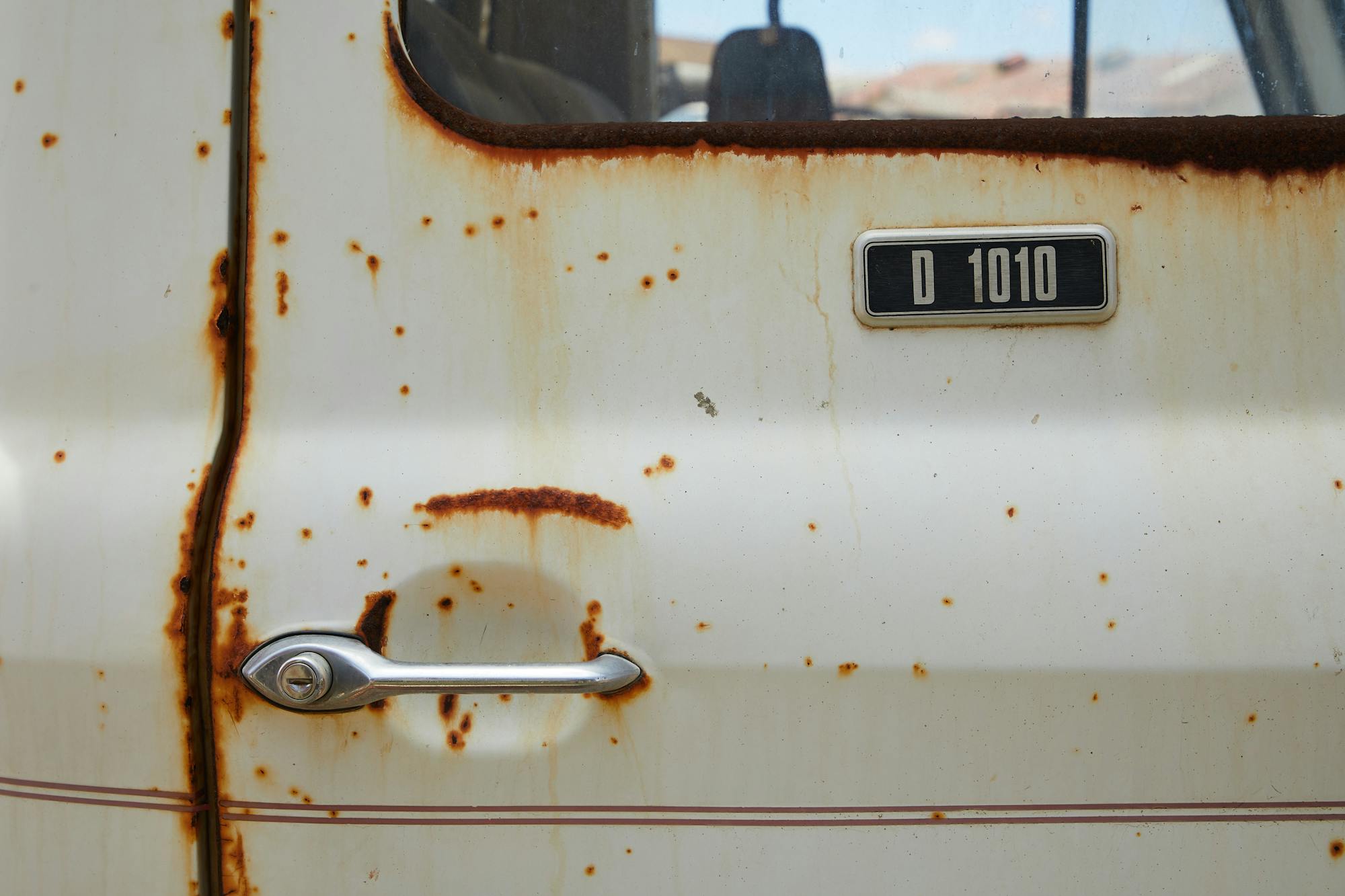
Every Ford Escort rusts. The question is where, and how badly. After twenty-plus years of welding and fabrication work on classic Fords at my workshop near Milton Keynes, I’ve cut into Mk1s through Mk6s and each generation has its own pattern. Knowing which one you’re dealing with — and where to look — is half the battle. This is the spot-by-spot Escort rust guide I wish every prospective buyer had read first.
Why Ford Escorts Rust the Way They Do
Ford built Escorts fast and cheaply. Through the 1970s and most of the 80s, rust-proofing wasn’t a serious factory step — primer, paint, a quick squirt of underseal, and out the door. Escort engineers loved double-skinned panels (rear arches, sills, scuttle, boot floor) which trap water between the layers where you can’t get at it. Salt-belt winters did the rest.
From the Mk4 onwards Ford started galvanising some panels, which slowed the rot — but only in places. Subframe mounts, jacking points and sills on every generation still go. The Mk5 and Mk6 era Escort is now the next wave of cars about to disappear, and most owners don’t know where to look. Here’s the Mk-by-Mk breakdown.
Mk1 Ford Escort Rust Spots (1968 to 1974)
The Mk1 is over fifty years old now. Anything that hasn’t been welded, cut out, and welded again is the exception, not the rule. The shell is simple but every panel is a rust trap.
- Front valance — road spray and stone chips wreck the lower edge. £200–£400 in fabrication to replace properly.
- Inner wings and strut tops — structural. Suspension turret rot is an MOT failure and an unsafe car. £600–£1,200 each side.
- A-posts — water tracks down the windscreen, gets behind the rubber, and rots from inside. You won’t see it until the screen is out. £400–£800 per side.
- Sills (inner and outer) — three-layer structural panels. Most Mk1s have been plated over multiple times. Properly replaced both sides is £2,000–£3,500.
- Floor pans, especially seat mounts — half-floor section £400–£600 each side; seat mount reinforcement extra.
- Rear wheel arches — bubbles at the lip mean the inner skin behind has gone too. Full arch repair £600–£1,000 per side.
- Boot floor and spare wheel well — water pools, rust eats the seam where the well meets the floor. £400–£700.
- Chassis rails and spring hangers — load-bearing. Spring hanger rot is structural and dangerous. £1,000–£2,500 per rail.
The big Mk1 problem is fabrication. Inner wings, A-post repair sections, and some structural panels simply aren’t made anymore. That means hand-making replacements from sheet steel using a shrinker, stretcher and English wheel to match the factory lines — skilled, time-consuming work that adds significantly to the cost.
Mk2 Ford Escort Rust Spots (1975 to 1980)
The Mk2 shares the same floorpan and inner structure as the Mk1, so most Mk1 rust spots apply. Where the Mk2 diverges:
- Rear quarter panels — the Mk2’s slightly different roofline means water gets in around the rear screen seal and rots the quarter from the back. Full quarter repair £800–£1,500.
- Front wings around the indicators — the Mk2 indicator housing traps mud. Front wing skin £300–£500 per side.
- “Rally car welded to death” problem — on Mexicos, RS2000s, RS1800s and homologation specials. So many have been crashed, rebuilt, re-shelled, and re-welded that the structural integrity of “tidy” cars is sometimes hanging by patches. Always assume one.
If you’re looking at a Mk2 Mexico or RS specifically, my Ford Escort Mexico buyer’s guide covers the AVO plate authentication that matters more on these cars than the rust.
Mk3 Ford Escort Rust Spots (1980 to 1986)
The front-wheel-drive era brings a different shell and a different rust pattern. The Mk3 introduced the FWD-platform strut top design — different geometry, different double-skinned construction to the Mk1/2 — and it’s now one of the biggest killers on these cars.
- Front strut tops — structural, double-skinned, and a known rust trap. Rotten strut tops are an MOT failure. Repair £400–£800 per side.
- Scuttle panel — the panel under the windscreen wipers. Water sits, the screen seal perishes, the metal rots from the top down. £800–£1,500 properly repaired.
- Sunroof drains — the four drain tubes block and water dumps into the floor and inner sills. Replacing the drains is cheap; fixing the floor they’ve rotted isn’t.
- Rear arch lip — bubbles at the lip first, then the whole arch. £500–£900 per side.
- Sills — same three-layer structural pattern as the Mk1/Mk2. £2,000–£3,500 a pair.
- XR3i and RS Turbo bumper mounts — the moulded plastic bumpers bolt to metal brackets that rot. £200–£400 a corner.
- RS Turbo spoiler mounts — water gets under the rear spoiler and rots the bootlid around the mounting holes. £300–£600.
Mk4 Ford Escort Rust Spots (1986 to 1990)
The Mk4 was a facelifted Mk3, but Ford started galvanising more of the shell. That helps — but only in some places. Where the Mk4 still goes:
- Sills (still) — galvanising or not, sills go. Same three-layer story.
- Front strut tops — slightly better than Mk3 but still a known spot.
- RS Turbo Series 2 wheel-arch extensions — the moulded plastic arch trims trap salt between themselves and the metal arch. Comes off the panel from inside. £400–£700 per arch.
- Rear quarters around the C-pillar — water tracks down behind the rear three-quarter window seal. £500–£900.
- Bootlid lower edge — water pools, seam goes. £200–£400 for a panel or used replacement.
The Mk4 RS Turbo Series 2 specifically gets its own section in my RS Turbo Series 1 vs Series 2 buyer’s guide — there are S1 vs S2 differences in rust patterns that matter when you’re choosing between them.
Mk5, Mk5b and Mk6 Ford Escort Rust Spots (1990 to 2000)
This is the “it’s only an Escort” generation. Survival rates are dropping fast. The Mk5 was launched in 1990, facelifted to Mk5b in 1992 (the one with the airbag and the better dashboard — some sources call it Mk5a/Mk5b, some Mk5.5), and finally became the Mk6 in 1995. Same basic shell, similar rust patterns.
- Front subframe mounts — the big killer. The Mk5/5.5/6 subframe bolts into the floor through reinforced mounting points that rust from inside out. By the time bubbles show on the floor, the subframe is wagging in the breeze. Proper repair with new mounting plates welded in is £400–£800 a corner.
- Rear suspension turrets — same problem at the back. Boot floor rust spreads up into the turret. £500–£900 per side.
- Sills — outer sill skins go first, then the structural inner. £1,500–£3,000 both sides.
- Jacking points — the pressed-in points tear out when the surrounding metal goes. MOT failure. £150–£300 per point.
- Boot floor where the spare wheel well meets the floor — water pools in the spare wheel well, rusts the seam. £300–£600.
- Inner front wings around the strut tops — better than the Mk3/4 but still go on neglected cars.
- Front wing arches around the indicators — front wing skins are cheap (£100–£200), the labour to fit them properly is where the cost lives.
The Cosworth gets all of these plus its own RS-Cosworth-specific issues (chassis rails, turret modifications, the strengthened structure around the four-wheel-drive system). Cosworths command Cosworth prices, so the repair maths is different — see the complete Ford Escort RS guide for the value side.
The Mk6 GTI is the affordable enthusiast pick of this era — and the rust pattern on my own car was textbook. The 1998 Escort GTI case study covers the four months of welding the shell needed when I dragged it out of a bush, including the subframe mounts and floor pan work this generation is notorious for.
The Hidden Ford Escort Rust Spots Nobody Checks
These are the ones that catch out buyers, MOT testers and owners alike. They apply to every Mk.
- Seatbelt mounts — bolt into the inner sill or floor. If the metal around them is rotten, the belt won’t hold in a crash. MOT failure and a safety issue.
- Jacking points — easy to forget. A clean Escort has solid jacking points; a tired one has them hanging off.
- Heater box — sits under the scuttle. Catches scuttle drain water. Crusty heater box means scuttle rot has already started.
- Headlamp bowls — Mk1/Mk2 with separate lamp bowls. The bowls themselves rust through.
- Fuel filler neck — water gets behind the cap surround and rots into the rear quarter.
- Brake line routing — the metal lines along the floor and chassis rails corrode. Replacement isn’t body rust, but if the lines have gone, the metal they ran along usually has too.
What a “Rust-Free” Ford Escort Survivor Actually Looks Like
No 30-year-old Escort is truly rust-free. Even the best Mk6 GTI in the country has had something cut out and welded back. What you can find is a well-repaired Escort — one where rust has been cut out properly, replaced with new steel, and protected so it won’t come straight back. Or a not-yet-repaired Escort where the rust is honest and visible.
The Escort to avoid is the one where rust has been hidden under filler, fresh paint, or fresh underseal to get it sold. That’s the car that empties bank accounts six months down the line.
How to Check for Hidden Filler on a Ford Escort
Four quick checks before you write a cheque on any Escort:
- Magnet test — run a fridge magnet along sills, arches, lower doors and rear valance. If it doesn’t stick or pulls away easily, there’s filler underneath.
- Paint thickness gauge — £30 online. Factory paint reads 100–150 microns. Over 300 is suspicious. Over 500 is definitely filler.
- Low-angle light check — look down the panel with the sun or a torch at a low angle. Wavy reflections, dips and bumps that vanish head-on become obvious.
- Screwdriver test on the underside — push a small screwdriver firmly into any suspicious area under the car. Sound steel resists. Rusted metal dents or pops straight through.
This is exactly the routine I went through on my own GTI before I bought it — and what I found when I started cutting. Same approach we use on Capris, with the same brutal results. See the Ford Capri rust guide if you’re cross-shopping the two.
What Proper Ford Escort Rust Repair Costs
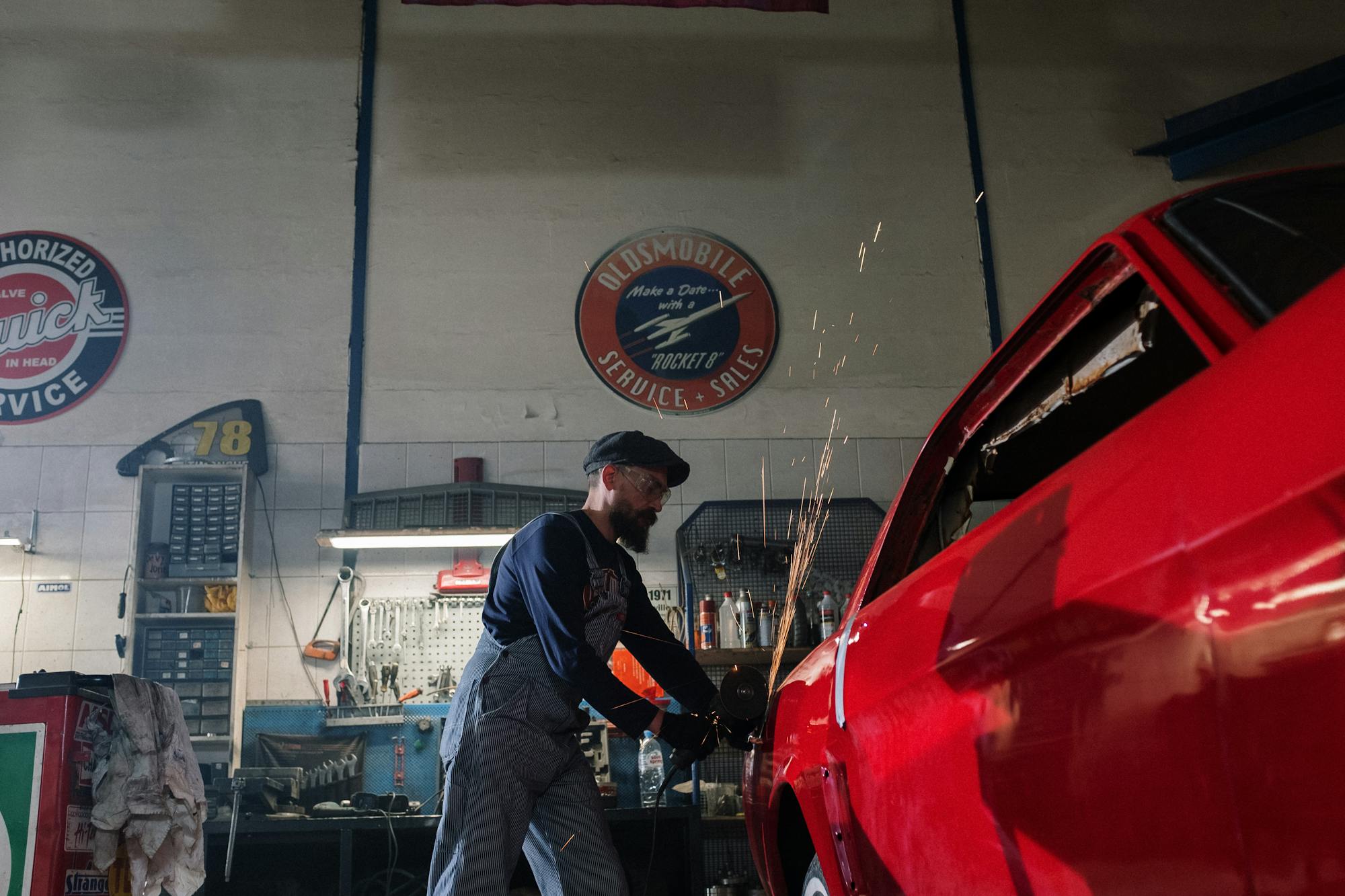
Realistic numbers per area, in 2026 money. These are bodywork-and-paint costs only; mechanical and trim work sits on top.
| Repair area | Cost bracket |
|---|---|
| Single sill section | £300–£600 |
| Full sill, both sides (3-layer) | £2,000–£3,500 |
| Floor pan section | £400–£700 per side |
| Rear arch repair (outer + inner) | £500–£1,000 per side |
| Full rear quarter panel | £800–£1,500 per side |
| Boot floor / spare wheel well | £400–£800 |
| Front strut top (Mk3/4) | £400–£800 per side |
| Front subframe mounts (Mk5/6) | £400–£800 per corner |
| Scuttle panel (Mk3 onwards) | £800–£1,500 |
| Inner wing and strut top (Mk1/2) | £600–£1,200 per side |
Big picture: one or two spots is £2,000–£4,000 bodywork. Most of the spots plus a respray is £8,000–£15,000. A bare-shell rebuild is £12,000–£20,000+ — sometimes more on a Mk1 because of the fabrication required. The full Ford Escort restoration cost guide breaks down what each level of restoration involves.
Bring This Ford Escort Rust Checklist When You View
Print the spots above. Take a torch, a magnet and a small screwdriver. Don’t buy any Escort without checking every one. If you find rust in three or four spots, factor £5,000 of bodywork into the price. Six or more and you’re buying a restoration, not a car.
If you’re in or near Milton Keynes and want a second opinion before you commit, I’ll happily look one over for you. As a classic Ford specialist I see Escorts through the workshop regularly and I know exactly where to point the torch. Send me a few photos on WhatsApp and I’ll tell you what you’re looking at.
For the full restoration end of it, see the 1998 Ford Escort GTI case study — every spot on this page is one I had to deal with on that car.