Ford Capri Mk1 vs Mk3 — Restoration Differences from a Bodyshop Perspective
How the Mk1 and Mk3 Capri compare when it comes to rust, panel availability, and restoration costs. A practical breakdown from a bodywork specialist.
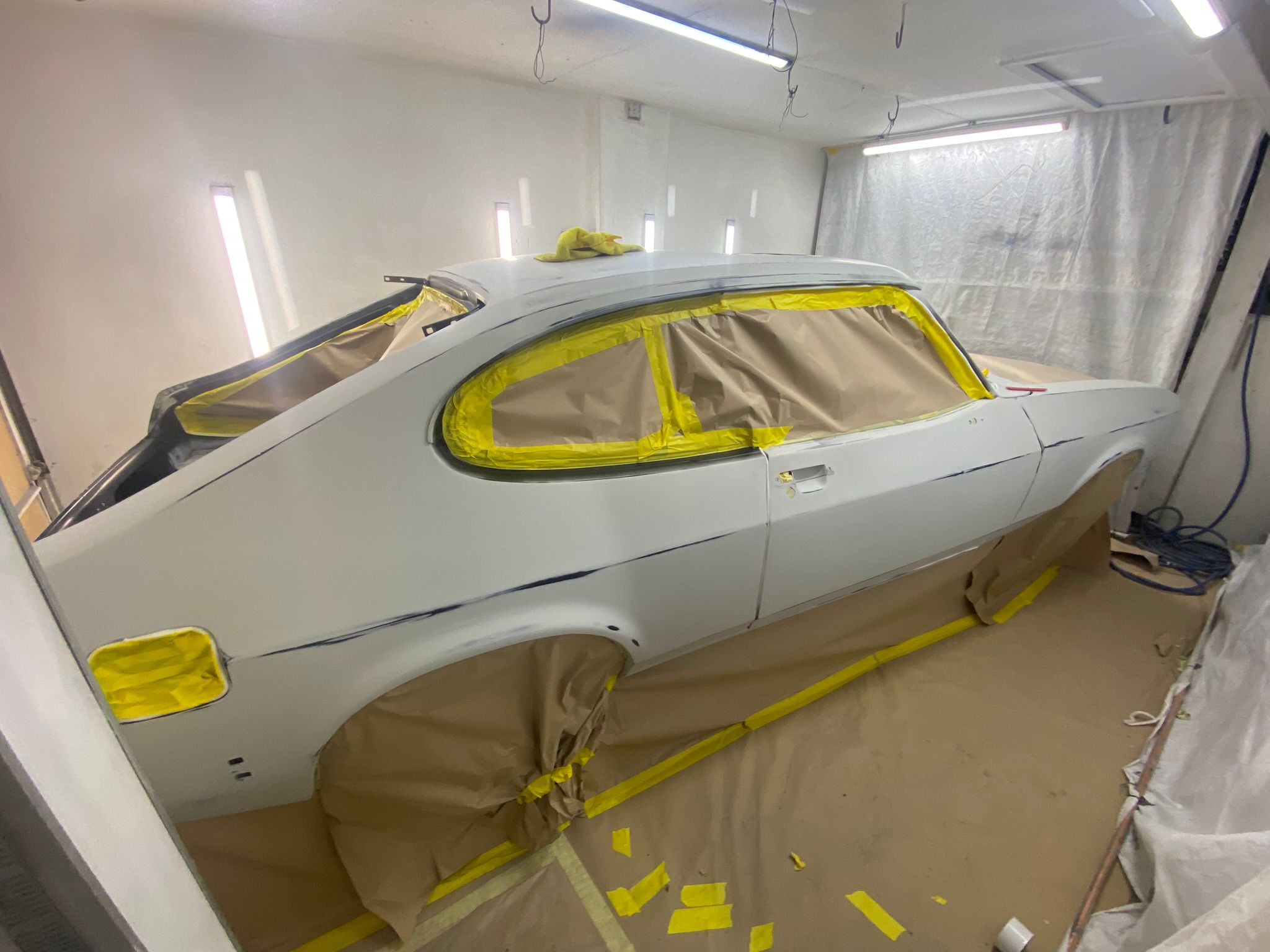
The Ford Capri ran for nearly twenty years across three generations, and while they all share that unmistakable fastback shape, the Mk1 and the Mk3 are very different cars to restore. I’ve worked on both at my workshop near Milton Keynes, and the bodywork challenges, parts availability, and costs are nothing alike. If you’re trying to decide between them — or you’ve already got one and want to know what you’re in for — here’s what I’ve learned from actually cutting into them.
Two Very Different Cars
The Mk1 Capri (1969–1974) was Ford’s answer to the Mustang — designed to be affordable, fun, and available in everything from a 1.3 base model to a 3.0 GT. It’s the one with the chrome bumpers, the quad headlights on the GT models, and that distinctive long bonnet, short boot silhouette. The bodywork is relatively simple in terms of panel shapes, but the age of these cars means the rust has had decades to work its way in.
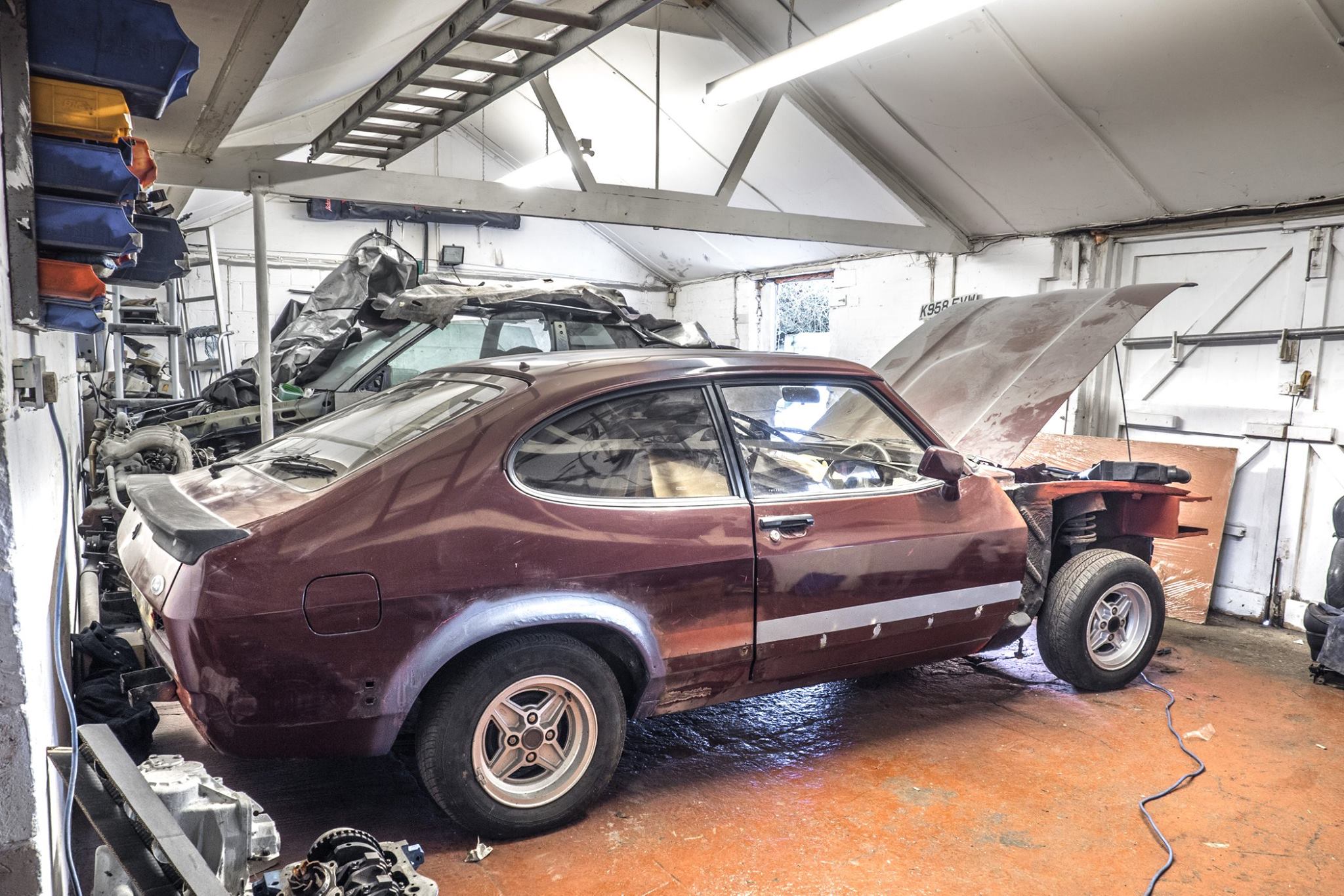
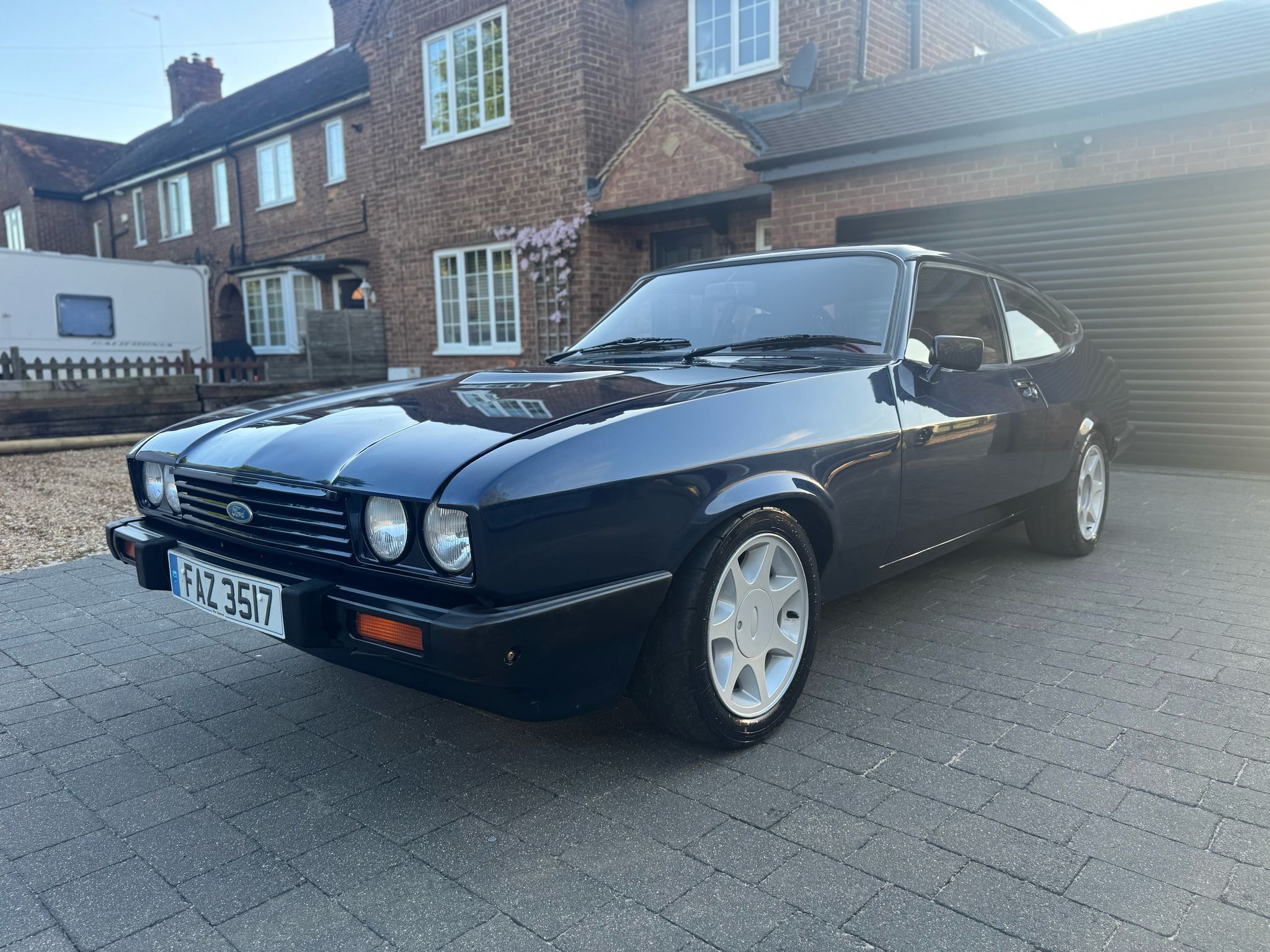
The Mk3 (1978–1986) is the one most people picture when you say “Capri.” The 2.8i Brooklands, the 2.0 Laser, the 2.8 Injection Special — these are the cars that turn up at shows and make strong money at auction. The body is more sculpted than the Mk1, with integrated bumpers on later models, a wider track, and more complex curves in the rear quarters. The 1986 Brooklands I restored is a good example of what a Mk3 looks like when it’s been done properly.
Both are brilliant cars. But from a bodyshop perspective, they present completely different challenges.
Where Mk1 Capris Rust
The Mk1 Capri rusts in all the usual places — sills, floors, rear wheel arches, boot floor — but the severity is usually worse simply because of age. We’re talking about cars that are fifty-odd years old now. Even the “good” ones have had rust treated and re-treated over the decades, and a lot of that previous work was done with body filler and underseal rather than proper metalwork.
The specific areas to watch on a Mk1 are:
- Front inner wings — these take a hammering from road spray thrown up by the front wheels. On a Mk1, the inner wing is a structural part of the front end, and once it goes, the front subframe mounting points are compromised.
- The A-pillars — water tracks down the windscreen, gets behind the rubber seals, and rots from the inside out. You often can’t see this until the screen is out.
- Lower door skins — the drain holes in the bottom of Mk1 doors block up, water sits in the bottom of the door, and eventually it rusts through from inside.
- Spring hangers and chassis rails — the Mk1’s rear suspension mounts are notorious for rotting. If the spring hangers are gone, you’ve got a serious structural job before the car is safe.
- Sills — just like the Mk3, the sills are load-bearing. But on a Mk1, you’ll often find they’ve been plated over multiple times rather than properly replaced. Peel back the layers and there’s nothing solid underneath.
The biggest issue with Mk1 rust is that it’s often been hidden rather than fixed. Previous owners patch over patches, underseal over rot, and filler over fresh air. You don’t find out the real condition until you start stripping, which is why I always recommend having a car properly assessed before committing.
Where Mk3 Capris Rust
The Mk3 shares some of the same weak spots — sills, floors, rear arches — but it has its own problem areas that the Mk1 doesn’t suffer from as badly:
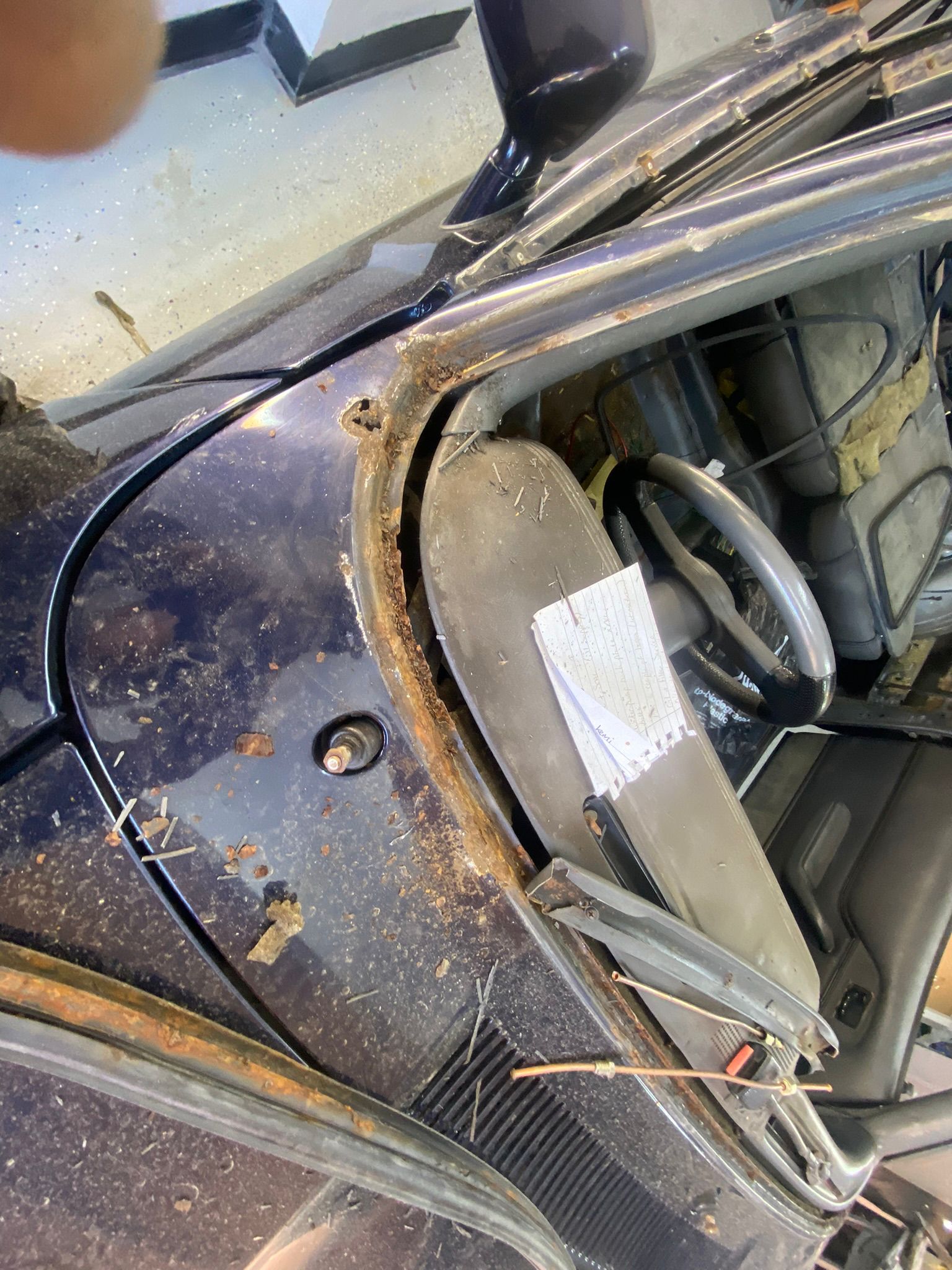
- Scuttle panel — this is the metalwork around the base of the windscreen. On the Mk3, it’s a complex double-skinned area that traps water. The Brooklands build needed the entire scuttle cutting out and new metal fabricating — it’s one of the most labour-intensive repairs on a Mk3.
- Rear quarters — the Mk3’s wider rear arches have an inner and outer skin with a cavity between them. Water gets in, sits there, and rots from the inside. By the time you see bubbles on the outside, there’s usually very little metal left behind.
- Boot floor — water pools in the spare wheel well and rots through. On the Mk3 this is worse because the tailgate seal deteriorates and lets water in from above as well.
- Sills — same as the Mk1, these are structural. But the Mk3 sill is a more complex three-piece assembly (inner, middle, and outer), which means a proper replacement is a bigger job.
- Floor pans — particularly where they meet the sills and around the seat mounting points. The carpet traps moisture and you don’t know the floors are gone until you pull it up.
Panel Availability — And This Is Where It Gets Interesting
This is one of the biggest practical differences between restoring a Mk1 and a Mk3, and it’s the thing that catches people out on costs.
The Mk3 benefits from a reasonably decent aftermarket. You can still buy repair sills, floor pans, rear arch repair sections, front wings, and most of the common panels. The quality varies — some aftermarket panels need a lot of fettling to fit properly — but the point is they exist. For the Brooklands restoration, I was able to source replacement bonnet and bootlid panels because the originals were beyond saving. That’s a lot cheaper and quicker than fabricating from scratch.
The Mk1 is a different story. Fewer panels are available off the shelf, particularly for the earlier pre-facelift cars. Inner wings, A-post repair sections, and some of the structural panels simply aren’t made anymore. That means fabrication — hand-making replacement sections from sheet steel using a shrinker, stretcher, and English wheel to match the factory lines. It’s skilled, time-consuming work, and it adds significantly to the cost of a restoration.
This is worth factoring in before you buy. A Mk3 that needs sills and rear arches might cost £2,000–£4,000 in welding and fabrication because the parts are available. The same job on a Mk1 could be double that if panels need making from scratch.
The Paint and Bodywork Differences
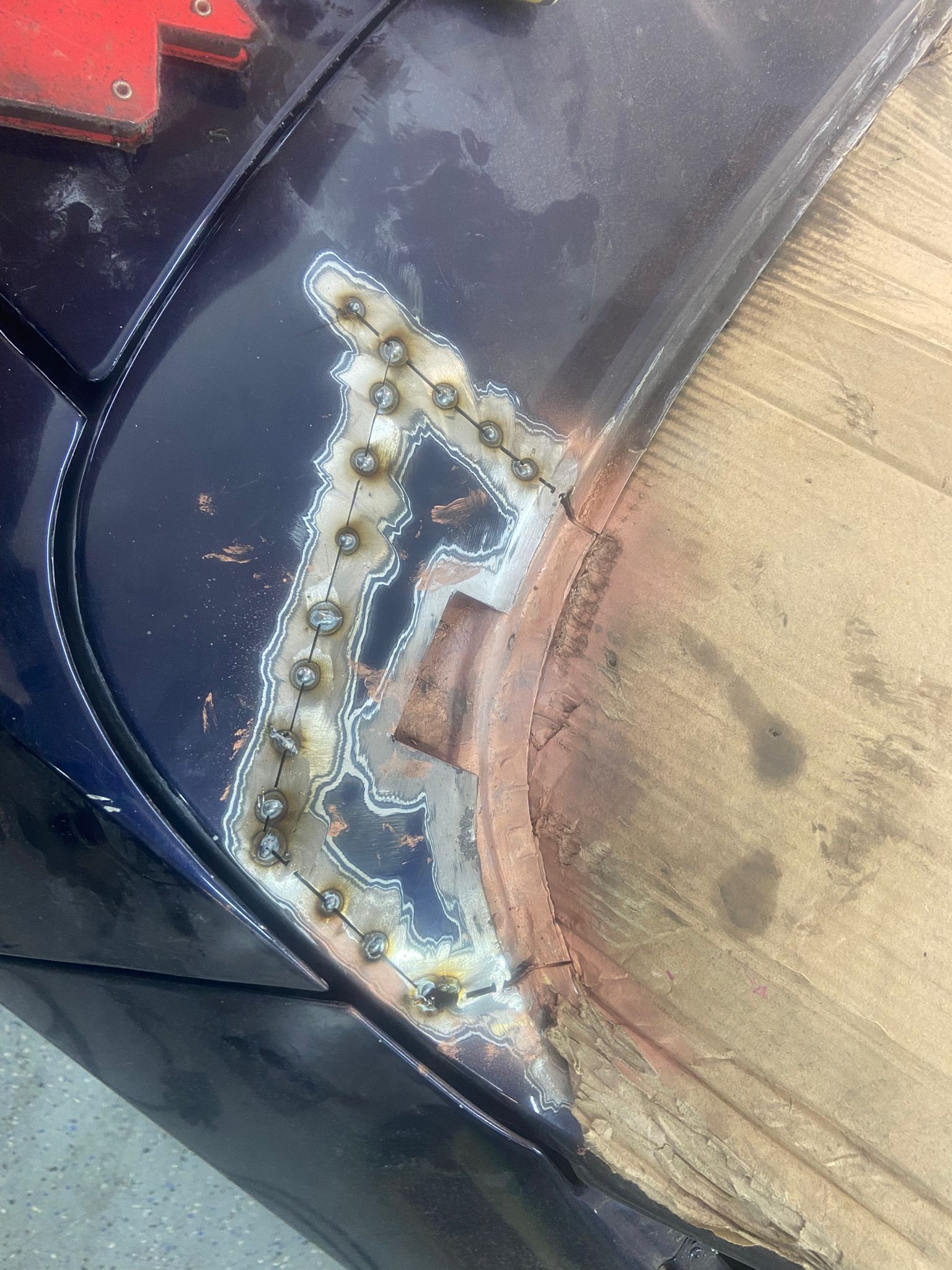
From a paint and bodywork perspective, the two cars behave differently in the booth as well.
The Mk1 has simpler, flatter panels. The bonnet is a large, relatively flat surface. The sides are straighter. This makes prep work and block sanding slightly more straightforward — but it also means any imperfection in the finish is immediately visible. There’s nowhere to hide a ripple on a flat panel.
The Mk3 has more compound curves, particularly around the rear quarters and the bonnet power bulge on the 2.8i models. These curves make the car look fantastic when it’s finished, but they’re harder to prep and paint evenly. Getting the paint to flow properly around compound curves without runs or dry spots takes experience.
Colour matching is another consideration. Mk1 colours tend to be simpler — solid reds, blues, greens, and whites from the early seventies. Mk3 colours are often metallics and pearls, especially on the special edition models. Metallics are more complex to apply and more difficult to blend if you’re only doing a single panel respray.
What Does Each One Cost to Restore?
These are ballpark figures for the bodywork and paint side — the bit I handle. Mechanical work, trim, chrome, and interior are on top.
Mk1 Capri:
- Light cosmetic work (minor welding, paint correction, tidy-up) — £3,000–£6,000
- Medium restoration (structural welding, some fabrication, full respray) — £8,000–£15,000
- Full bare-metal rebuild (extensive fabrication, strip to shell, show-quality paint) — £15,000–£25,000+
The Mk1 costs tend to run higher because of the fabrication time. When you can’t buy a panel, someone has to make it — and that takes hours of skilled metalwork.
Mk3 Capri:
- Light cosmetic work — £3,000–£5,000
- Medium restoration — £6,000–£12,000
- Full bare-metal rebuild — £12,000–£20,000+
The Mk3 benefits from better parts availability, which brings the cost down on structural work. But the later special editions (Brooklands, Injection Special) have unique trim and body parts that can be expensive to source in good condition.
Which One Should You Restore?
This depends entirely on what you want and what you can find. Both cars have a passionate following and strong values — good Mk1s are making serious money now, and the Mk3 Brooklands and 2.8i models have been climbing steadily for years. A decent Mk3 2.8i Brooklands can fetch £25,000–£35,000. Clean early Mk1 3.0 GTs are pushing even higher.
From a practical standpoint, the Mk3 is the easier car to restore. Better parts availability, more surviving examples to learn from, and a strong club scene with specialist knowledge. If it’s your first classic Ford project, a Mk3 is probably the more sensible choice.
The Mk1 is the car for someone who knows what they’re getting into. The restoration will take longer, cost more, and require more specialist fabrication work. But a properly restored Mk1 is a genuinely rare thing, and they draw a crowd wherever they go.
Either way, the single most important thing is the condition of the shell. Rust in structural areas is what drives the cost of a restoration — not the model, not the engine, not the interior. Get the metalwork right and everything else follows.
Got a Capri That Needs Work?
Whether it’s a Mk1, Mk2, or Mk3, I’m happy to have a look and give you an honest assessment of what’s involved. I’m based just outside Milton Keynes in Wicken, and as a classic Ford specialist I work on Capris and other classic Fords regularly. I’ve seen enough of them to know exactly where to look and what to expect.
Send me a few photos on WhatsApp — underneath shots, any rust or previous repairs you’ve spotted, and the general condition — and I’ll tell you straight what you’re looking at. You can also check out the full Capri 2.8i Brooklands case study to see what a complete Mk3 restoration looks like from start to finish.