Buying a Classic Ford Project Car — A Bodywork Specialist’s Honest Advice
What to check, what to avoid, and how much to budget for bodywork when buying a classic Ford project car. Straight advice from someone who restores them.
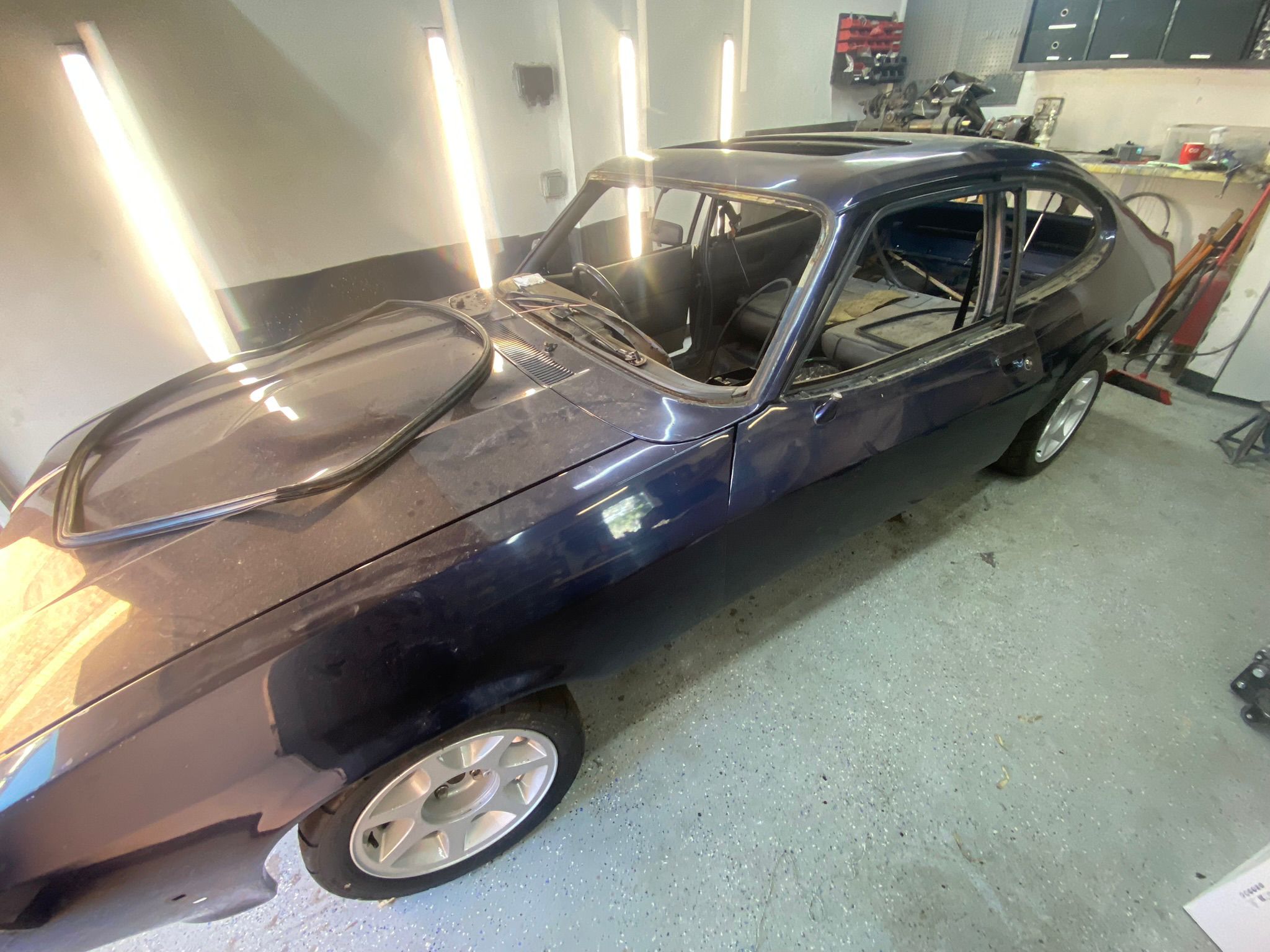
Every week I get a message from someone who’s found a classic Ford on Facebook Marketplace or at an auction and wants to know if it’s worth buying. Sometimes it’s a Capri, sometimes an Escort, sometimes a Cortina or a Sierra Cosworth — the car changes, but the question is always the same: is this one a good project, or am I about to throw money at a lost cause?
I’ve been doing bodywork repairs and classic car restorations at my workshop near Milton Keynes for long enough to know what separates a solid project from a money pit. Here’s the honest advice I’d give a mate before they handed over any cash.
Start With the Structure, Not the Paint
This is the single biggest mistake people make when buying a classic Ford. They see a car that looks tidy — decent paint, nice wheels, clean interior — and assume it’s a good one. But paint hides everything. I’ve seen cars that looked brilliant in photos but were rotten underneath. Filler over rust, fresh underseal sprayed over crumbling chassis rails, shiny paint on top of panels that are paper-thin.
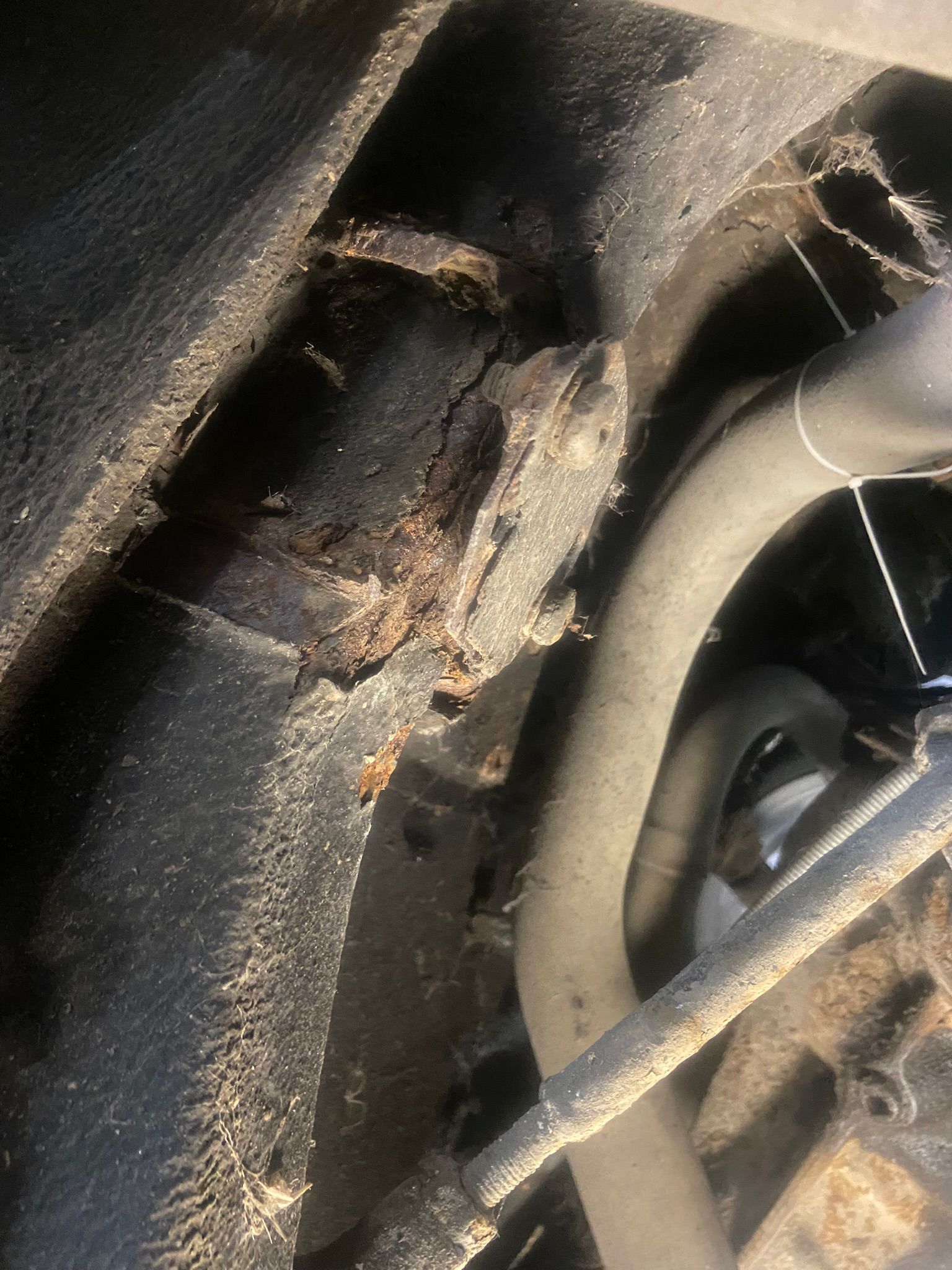
When you’re looking at a project car, forget about the cosmetics. Get underneath it with a torch. Tap the sills, poke the floor pans, check the spring hangers and subframe mounts. If the metal is solid, everything else can be sorted. If the structure is shot, you need to know that before you buy — because welding and fabrication work is where the real cost lives.
The Rust Spots to Check on Any Classic Ford
Classic Fords all share the same weak points. If you know where to look, you can assess any car in twenty minutes. Here’s my checklist:
- Sills — Press hard along the full length. If the metal flexes or you can feel soft spots, it’s gone. Sills are structural and expensive to replace properly.
- Floor pans — Lift the carpets if you can. Push down firmly in the footwells, especially where the floor meets the sills and the bulkhead. If it gives, that’s rotten metal.
- Rear wheel arches — The inner and outer skins trap moisture between them. Check both sides. Bubbling paint on the outside usually means it’s far worse behind.
- Windscreen surround and scuttle panel — Water wicks under the rubber seal and sits against bare metal. Brown staining around the glass is a warning sign. On the Capri Brooklands I restored, this area needed completely cutting out.
- Boot floor — Pull everything out and check. Spare wheel wells are notorious for holding water and rotting through.
- Chassis rails and subframe mounts — Any structural point where suspension or steering bolts on. If these are corroded, the car isn’t safe and it’s a big job to sort.
If you want a more detailed breakdown of what to look for, I wrote a full guide on where rust hides before an MOT — the same principles apply when buying.
Beware the “It Just Needs Paint” Car
This is the classic trap. Someone’s selling a car that “just needs a respray” or “just needs a bit of welding”. In my experience, “a bit of welding” usually means a lot of welding. And a car that “just needs paint” often needs serious paintwork and bodywork underneath that the seller either doesn’t know about or doesn’t want to mention.
That’s not to say every seller is dishonest — plenty of people genuinely don’t know what’s lurking under the surface. But as a buyer, it’s your job to find out. If you’re not confident assessing it yourself, bring someone who is, or pay for a professional inspection. It’s the cheapest money you’ll ever spend on a project car.
How Much Should You Budget for Bodywork?
This depends massively on the car and its condition, but here’s a rough framework I use when people ask me to assess a potential purchase:
- Solid car, cosmetic work only — If the structure is sound and it just needs paint correction or a respray, you’re looking at a few thousand pounds for a quality finish.
- Needs some welding — A couple of repair sections on the sills or a floor patch might be £500–£1,500 in welding, plus the paint work on top. Very doable.
- Needs serious structural work — Full sill replacement, new floor sections, rear quarter fabrication — this is where costs climb. The metalwork alone could be £3,000–£8,000 before any paint goes on, depending on how much needs doing.
- Basket case / full rebuild — If it needs everything, you’re into five figures for the bodywork side. I’ve written a more detailed breakdown in my Ford Capri restoration cost guide if you want specific numbers.
The thing to remember is that the purchase price of the car is only the start. A cheap car with rotten sills will cost you more in the long run than a more expensive car that’s structurally sound. I see it all the time — someone saves £2,000 on the purchase price and then spends £5,000 more on welding to make it right. Buy the best car you can afford, not the cheapest one you can find.
Parts Availability Matters More Than You Think
Classic Fords are generally well served for parts — better than most, in fact. Capris, Escorts, Cortinas, and Sierras all have strong club scenes and specialist suppliers. Repair panels, rubbers, trim, mechanical parts — most of it is available off the shelf or through specialists.
But not everything is available, and not all aftermarket panels are equal. Some pattern parts need a lot of fettling to fit properly — they’re close but not quite right. That’s where having someone who can hand-shape and adjust metalwork makes a real difference. On the Brooklands Capri, I had to hand-fabricate several sections because off-the-shelf panels either didn’t exist or didn’t fit well enough for the finish I was after.
What Makes a Good Project vs a Bad One
After years of seeing classic Fords come through my workshop, here’s how I’d sum it up:
A good project: has solid structural metalwork (or only needs manageable welding), comes with a decent history, has most of its parts, and the purchase price leaves you enough budget to do the restoration properly.
A bad project: is rotten in multiple structural areas, has been bodged previously with filler and underseal hiding problems, is missing key parts that are hard to source, or costs so much to buy that you can’t afford to restore it to the standard it deserves.
The best advice I can give anyone buying a classic Ford project? Take your time, check the metalwork properly, and don’t fall in love with it until you’ve seen what’s underneath. A weekend spent looking at the right car will save you months and thousands dealing with the wrong one.
Want a Second Opinion Before You Buy?
If you’ve found a classic Ford and you’re not sure what you’re looking at, I’m happy to help. Send me some photos on WhatsApp — underneath shots, any rust you’ve spotted, and the general condition — and I’ll tell you straight whether it looks like a goer or one to walk away from. I’m based just outside Milton Keynes in Wicken, and if the car’s local I can sometimes come and have a look in person.
I work on classic Fords regularly — everything from light bodywork touch-ups to full bare-metal restorations. People bring them in from across Milton Keynes, Buckingham, Towcester, Northampton, and beyond. Have a look at the Capri Brooklands, Escort GTI, and Ford Fiesta Mk2 case studies to see what’s possible when a project car gets the treatment it deserves.