Ford Capri Restoration — What to Expect and What It Costs
What's actually involved in restoring a Ford Capri, what it costs, and what to watch out for. Practical advice from a workshop that's done it.
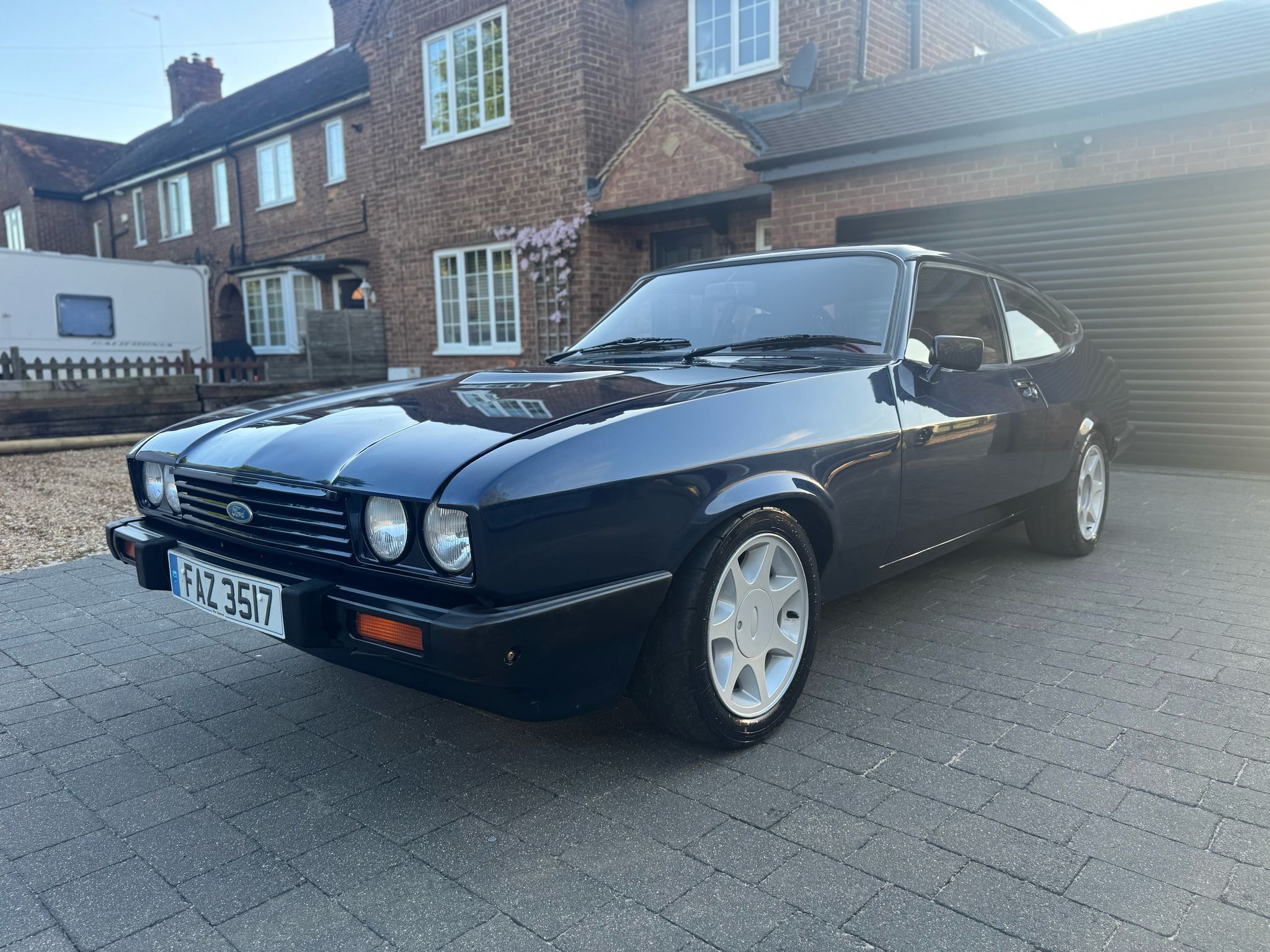
The Ford Capri is one of those cars that gets under your skin. It doesn’t matter if it’s a 1.6 base model or a 2.8i Brooklands — there’s something about the shape, the sound, and the way it drives that keeps people coming back to them. The problem is, most surviving Capris have had a hard life, and restoring one properly is a bigger job than a lot of people expect.
I’ve worked on plenty of Capris at my workshop near Milton Keynes, and I’ll be straight with you — they’re not the easiest cars to restore. But when it’s done right, the result is absolutely worth it. Here’s what’s actually involved, what it’s likely to cost, and what to watch out for before you commit.
What Condition Are Most Capris In?
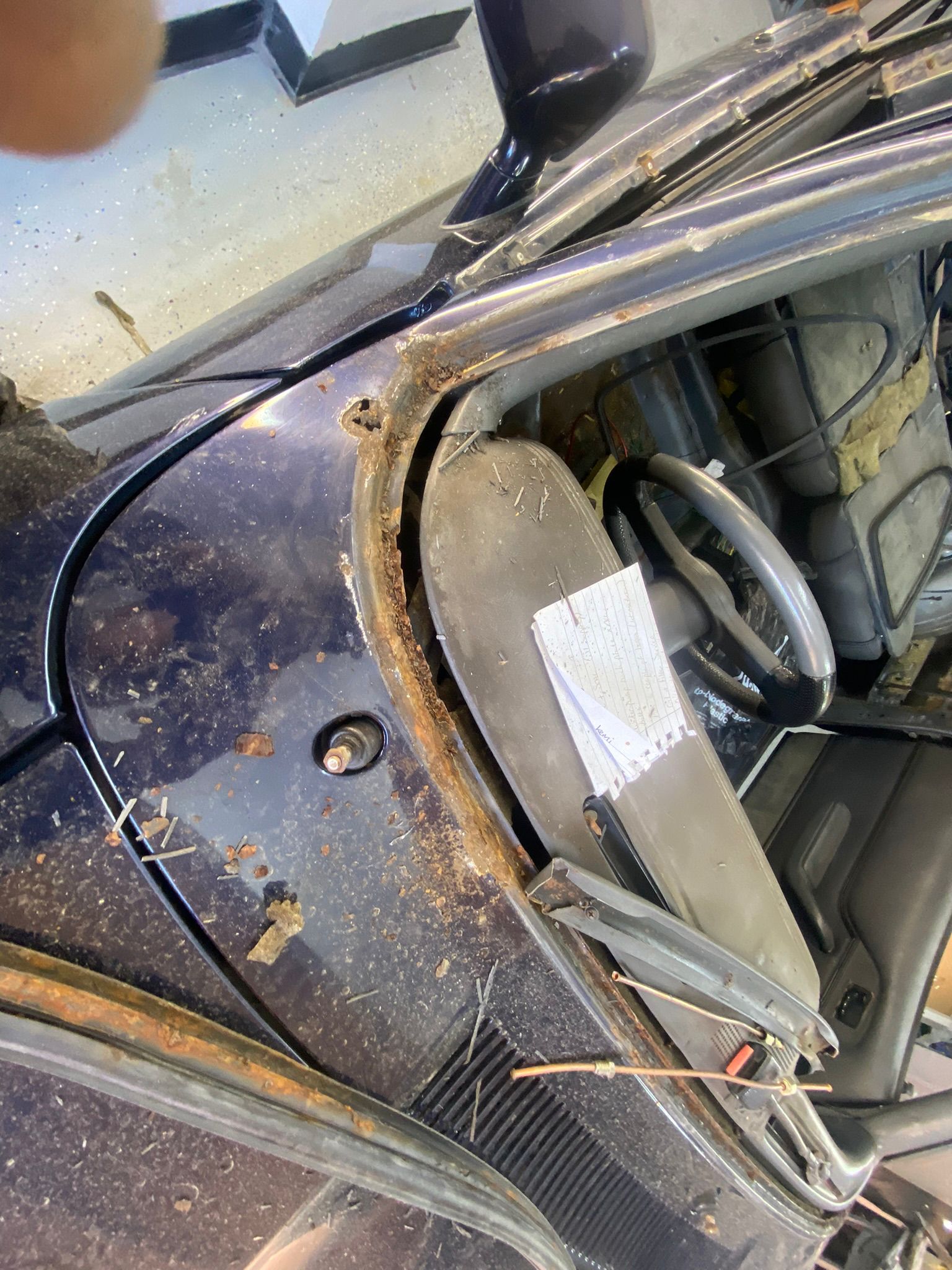
Let’s not sugarcoat it — most Capris that come to me for restoration are rough. These cars are 40-odd years old now, and unless they’ve been garaged and well looked after, rust will have taken hold somewhere. The common trouble spots are the sills, the floor pans, the scuttle panel around the windscreen, and the rear wheel arches. Sound familiar? It’s the same areas that catch out most classic cars with paintwork problems.
On top of the rust, a lot of Capris have had previous “repairs” that were more filler than metal. I’ve pulled back what looked like solid paintwork only to find half an inch of body filler over nothing. That’s not a repair — it’s a time bomb. The 1986 Capri 2.8i Brooklands I restored is a good example. It looked presentable enough on the surface, but once I started stripping it back, the sills, floors, boot floor, and scuttle panel all needed cutting out and replacing.
What Does a Capri Restoration Actually Involve?
Every Capri is different, but a proper restoration generally follows the same stages. Here’s how it works when a car comes into my workshop:
- Strip and assess — Everything comes off. Trim, glass, rubbers, underseal — the lot. You can’t see what you’re dealing with until the car is bare. On the Brooklands build, I removed the windscreen to get proper access to the scuttle panel, and it’s a good job I did — the rust went right through.
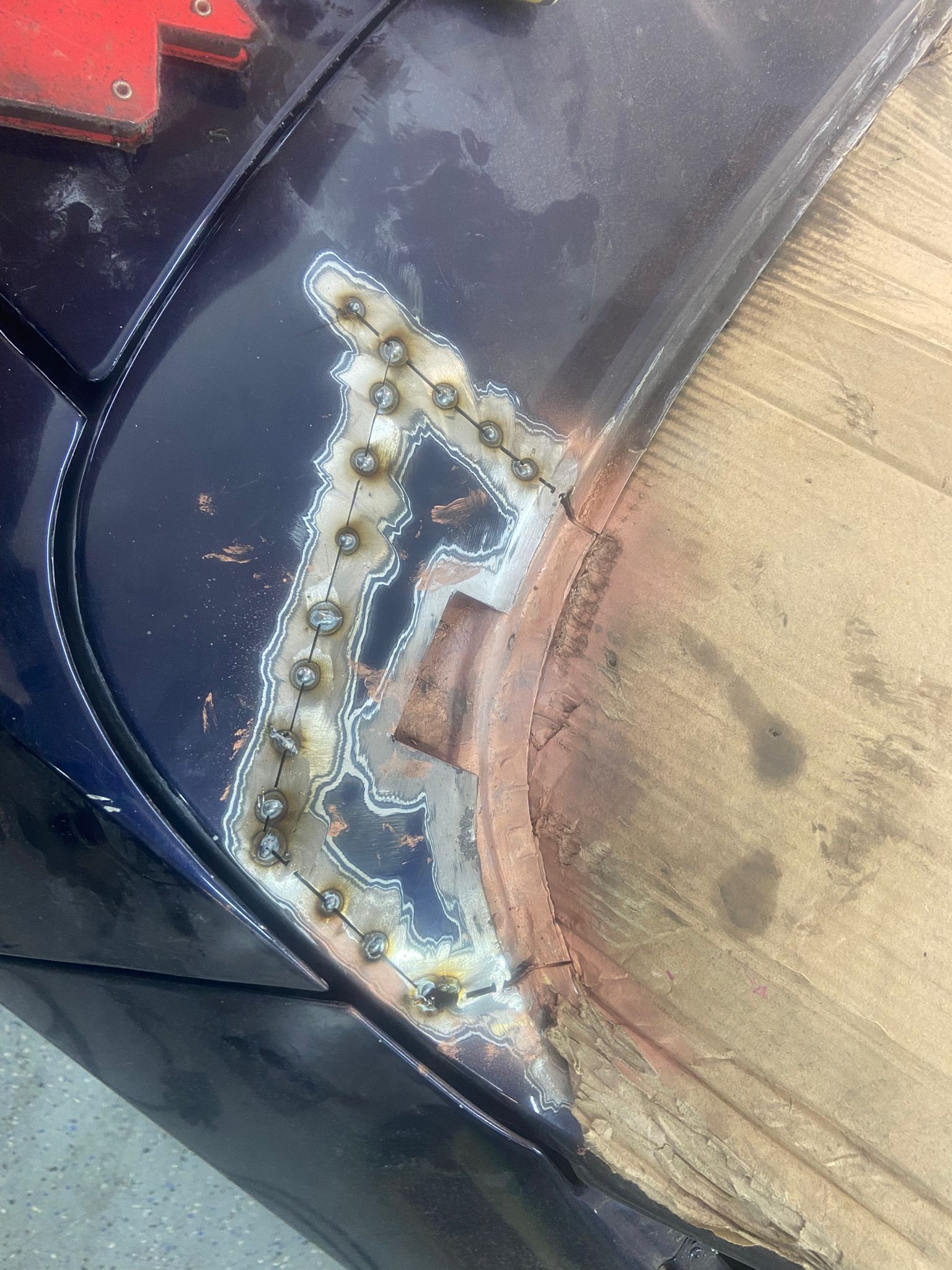
- Fabrication and welding — This is where most of the time goes. Rotten metal gets cut out and new steel is welded in. On a Capri, that usually means sills, floor sections, and often the rear quarters where the wheel arches meet the body. Some panels you can buy off the shelf, but for the Brooklands I had to hand-make replacement sections using a shrinker, stretcher, and English wheel to get the factory lines right.
- Protection — Every mating surface gets weld-through primer before it’s joined. Once the structural work is done, all the hidden areas get wax-oiled to stop rust coming back from the inside out.
- Primer and prep — This is the stage that separates a proper job from a quick blow-over. The metalwork gets sealed with epoxy, built up with high-build primer, then hand block-sanded through progressively finer grits. On the Brooklands, that was 180, 320, and 500 grit before any paint went near it.
- Paint — Into the spray booth for base coat and lacquer (or direct gloss if that’s the finish you’re after). Colour matching on a custom respray takes time, especially if you’re going for something non-standard.
- Flat, polish, and refit — The painted surface gets wet-sanded and machine-polished to a mirror finish, then everything goes back together. New rubbers, fresh trim, all the bits that make it feel like a complete car again.
The Bodywork Is Where It Gets Serious
Capris rust in structural areas, which means the bodywork repairs aren’t just cosmetic — they’re essential for the car to be safe and solid. Sills on a Capri are load-bearing. If they’ve rotted through, the car literally flexes when you jack it up. Same with the floors — if the metal’s gone where the seat rails bolt down or where the suspension picks up, you’ve got a serious problem.
The rear quarters are another classic Capri weak point. Water gets trapped between the inner and outer skins, and by the time you see it on the outside, there’s usually very little metal left behind. The fix is to cut it all out, fabricate new sections, and weld them in so the body lines flow properly. It’s skilled work and it takes time, but there’s no shortcut if you want it done right.
What Does a Ford Capri Restoration Cost?
This is the question everyone asks, and the honest answer is: it depends entirely on the car. Two Capris that look similar from the outside can be completely different underneath. But here’s a rough idea of what you’re looking at:
- Light refresh (surface rust treated, minor welding, full respray) — roughly £3,000–£5,000. This is for a car that’s structurally sound but cosmetically tired.
- Medium restoration (significant welding, panel fabrication, full strip and respray) — more like £6,000–£12,000. This covers most Capris that need proper structural work on sills, floors, or rear quarters plus a quality paint job.
- Full bare-metal rebuild (strip to shell, full structural repair, custom paint, everything rebuilt) — £12,000–£20,000+. This is the full car restoration route, like the Brooklands build. Over 150 hours of work went into that one.
These are ballpark figures for the bodywork and paint side of things. For a fuller breakdown of paint pricing across all types of car, see my UK respray cost guide. If the car needs mechanical work on top — engine, gearbox, suspension, brakes — that’s extra. Every car is different, which is why I always assess the car properly before quoting anything. I’d rather give you an honest number upfront than hit you with surprises halfway through.
Is It Worth Restoring a Capri?
From a pure money standpoint, Capri values have been climbing steadily. A decent 2.8i Brooklands can fetch £25,000–£35,000, and even standard 2.0 lasers are making strong money at auction. The days of picking one up for a few grand and sitting on it are pretty much over — if you’ve got one, it’s worth looking after.
But honestly, most people who restore a Capri aren’t doing it for the investment. They’re doing it because they’ve always wanted one, or because it was their first car, or because they just love the way they look and drive. That’s reason enough. The key is going in with your eyes open — know what you’re buying, get it properly assessed before you start spending money, and find someone who’ll give you an honest appraisal of what it actually needs.
I’ve seen people pour money into a Capri that wasn’t worth saving, and I’ve seen people hesitate over a car that just needed a couple of weekends’ worth of welding. The difference between a money pit and a worthwhile project usually comes down to getting the right advice early on.
Thinking About Restoring a Capri?
If you’ve got a Ford Capri that needs work — whether it’s a quick tidy-up or a full bare-metal restoration — I’d be happy to have a look and tell you where you stand. I’m based just outside Milton Keynes in Wicken, and I regularly get Capris and other classic cars coming in from Buckingham, Towcester, Northampton, and further afield.
Send me a few photos on WhatsApp and I’ll give you an honest idea of what’s involved. No obligation, no pressure — just straight advice from someone who’s done it. You can also have a look at the full Capri 2.8i Brooklands case study to see exactly what a complete restoration looks like from start to finish.