Pre-MOT Rust Check — The Areas Most Likely to Catch You Out
Alex from Top Touch Coachworks near Milton Keynes runs through the rust spots most likely to fail your MOT — and what you can do about them before the big day.
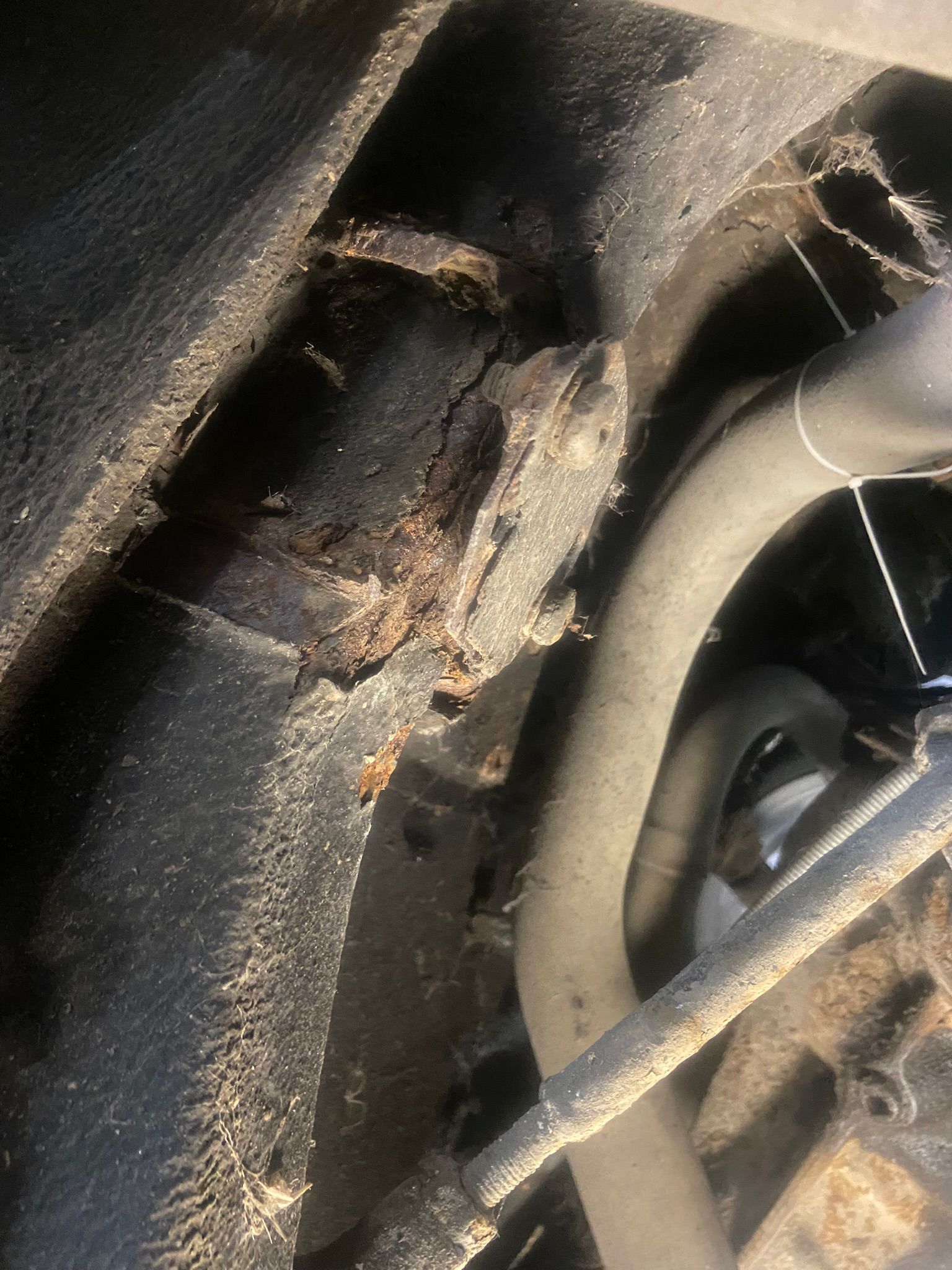
If your car’s got an MOT coming up and it’s got a few years on it, rust is the thing most likely to catch you out. It’s not the exhaust or the brakes that surprise people — it’s the structural corrosion that’s been quietly eating away where you can’t see it. I see it all the time at my workshop near Milton Keynes — someone brings a car in thinking it just needs a tidy-up, and we find the sills are like lace.
Here’s the areas I’d tell you to check before your MOT, so you’re not blindsided on the day.
Sills and Rocker Panels
This is the number one fail point for rust on older cars. Sills are structural — they’re part of what holds the floor and the pillars together — so if the tester can poke through them, that’s a straight fail. The problem is they rot from the inside out. Water gets in through blocked drain holes, sits inside the sill, and by the time you see bubbling on the outside, the inner skin is already gone.
What to look for: bubbling paint along the bottom edge of the car, soft spots when you press firmly, or any areas where filler has been used to hide problems. Get underneath with a torch and have a proper look. If it flakes when you tap it, you’ve got a problem.
Wheel Arches
Wheel arches take an absolute battering. Every bit of road salt, grit, and water gets flung up in there, and if the inner arch liners are missing or damaged, the metal underneath doesn’t stand a chance. The rear arches are usually worse than the fronts because they don’t get the same airflow to dry out.
On classic cars especially, the rear quarter panels where they meet the wheel arch are a nightmare. Once it starts, it spreads quickly because the panels overlap and moisture gets trapped between the layers.
Windscreen and Window Surrounds
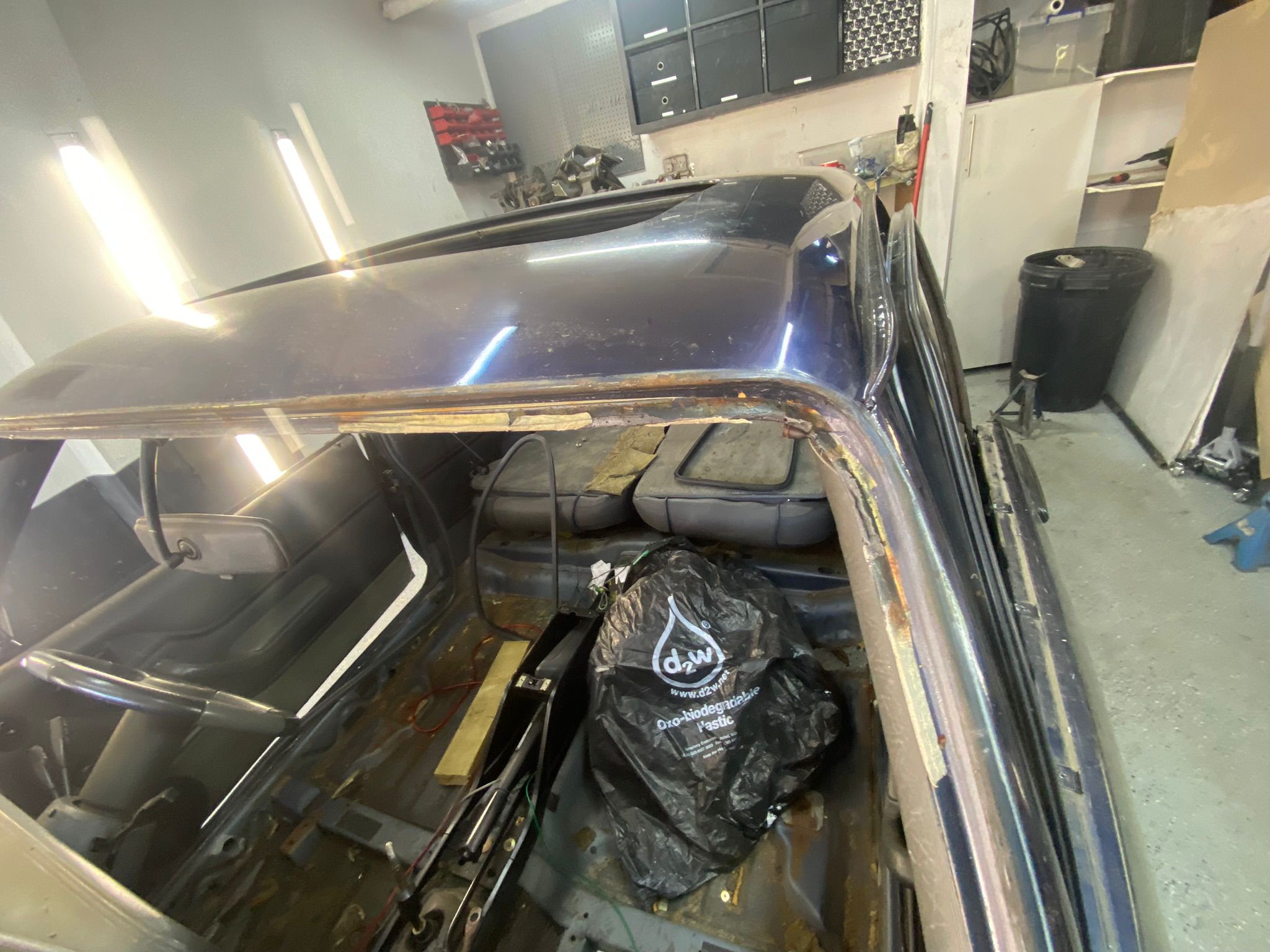
This one catches people out because they never think to look there. Water gets under the windscreen rubber, sits against the metal channel, and slowly eats through it. You’ll often see it as a brown stain at the top corners of the windscreen, or bubbling around the edges of the glass.
It’s particularly common on classic cars where the original seals have hardened and shrunk over the years. If you can see rust staining around the glass, there’s usually more going on underneath. I worked on a Ford Capri that had this exact problem — looked minor from outside, but the whole windscreen channel needed cutting out and replacing.
Floor Pans and Footwells
Pull the carpets up. Seriously. If you’ve got an older car and you haven’t looked under the carpets, do it before the MOT tester does. Floor pans rot from underneath where they’re exposed to road spray, but they also rot from the top down if water gets in through leaky seals or blocked scuttle drains.
Check the corners of the footwells especially — where the floor meets the sill and where the floor meets the bulkhead. These joints trap water and are usually the first to go. If you can feel soft spots when you push down with your foot, that’s a fail waiting to happen.
Chassis Rails and Subframes
If your car has a separate chassis or subframe, give it a good look over. Chassis rails can look solid from the outside but be paper-thin in spots. The MOT tester will check mounting points for the suspension and steering — if those are corroded, you’re in trouble.
For unibody cars, the equivalent is the front subframe mounting points and rear axle mounting areas. Any structural point where suspension bolts on needs to be solid. I’d say at least half the welding and fabrication work I do here at my workshop is repairing or replacing these kinds of areas so cars can pass their MOT.
Door Bottoms and Drain Holes
Doors have drain holes at the bottom for a reason — they let water escape from inside the door skin. When those holes get blocked with muck and underseal, water pools inside the door and rots it from within. You’ll see it as bubbling along the bottom edge of the door, and eventually it’ll perforate right through.
Not strictly an MOT fail on its own (doors aren’t structural), but it’s worth sorting because it spreads. Once the bottom of a door goes, the rust works its way up into the skin and eventually into the hinge area, which is structural.
Spring Hangers and Mounting Points
On any car with leaf springs — older vans, trucks, classic cars — the spring hangers are a massive MOT point. They corrode badly because they’re right in the firing line for road spray, and because they bear a lot of load, any weakness is a fail.
Coil spring mounting points are the same story. The tester will check the top mounts under the bonnet and the lower mounts on the axle or subframe. If these are corroded, the spring can punch through under load, which is obviously dangerous.
What Can You Actually Do About It?
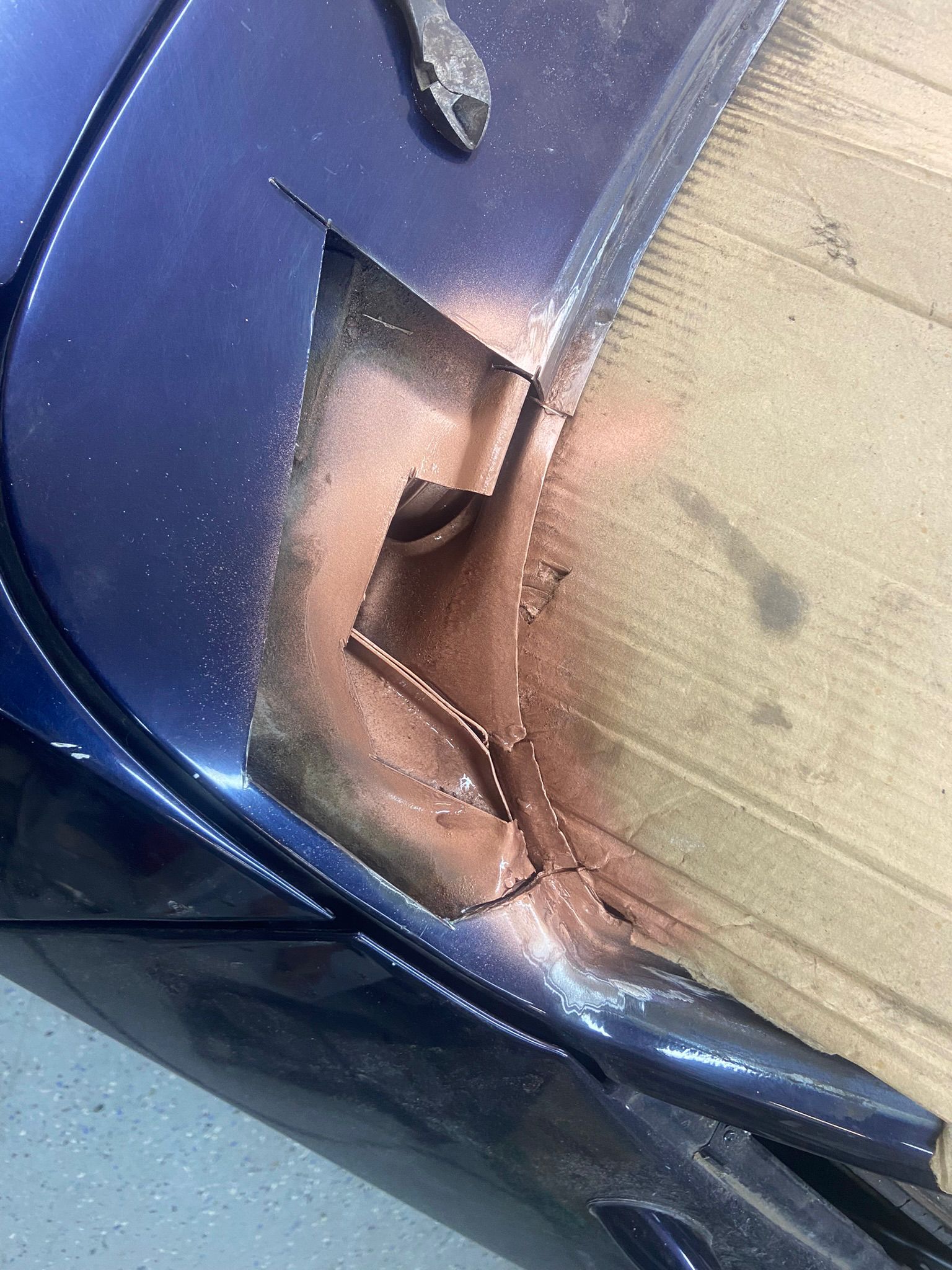
If you find rust in any of these areas, don’t panic. There’s a big difference between surface rust and structural corrosion. Surface rust — where the paint has broken down but the metal is still solid underneath — can usually be treated, primed and painted to stop it spreading. That’s often enough to get through an MOT.
Structural corrosion — where the metal has actually thinned or perforated — needs cutting out and new metal welding in. There’s no way around that and no amount of filler will fix it (not properly, anyway). Any decent MOT tester will spot filler over rust from a mile away.
The key is catching it early. A small repair section welded in now is a fraction of the cost compared to waiting until half the sill needs replacing. If you’re in the Milton Keynes, Buckingham, or Towcester area and you’ve found something that looks dodgy, send it over to me and I’ll give you an honest answer on what it needs. I also do MOT prep and general servicing if you’d rather have someone go over the car properly before test day.
Quick Pre-MOT Rust Checklist
- Sills — press along the full length, look for bubbling or filler
- Wheel arches — especially rear, check inner and outer skins
- Windscreen surround — look for brown staining or bubbling at corners
- Floor pans — pull carpets up, check footwell corners
- Chassis rails / subframes — check suspension and steering mounting points
- Door bottoms — check drain holes are clear, tap for thin metal
- Spring hangers / mounts — any load-bearing suspension points
I’ll tell you straight — five minutes with a torch underneath your car before the MOT can save you a lot of grief on the day. And if you do find something, it’s always cheaper to sort it on your own terms than after a fail when you’re under pressure to get it fixed quickly.
If you’ve got an MOT coming up and you’re worried about rust, send me a few photos on WhatsApp and I’ll tell you what you’re dealing with. I’m based just outside Milton Keynes in Wicken and I do everything from small panel repairs to full structural rebuilds — whatever it takes to get you through.